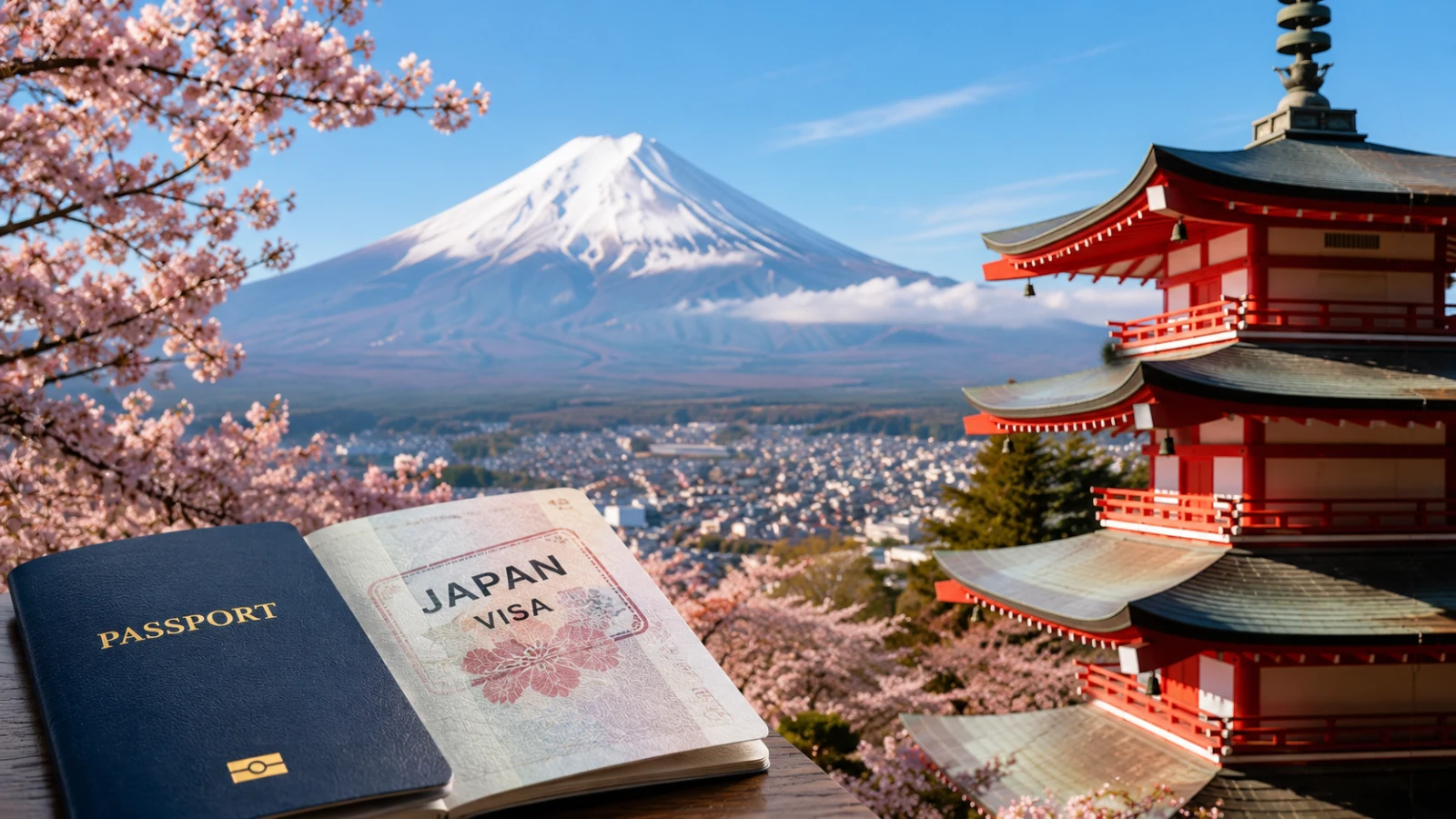
Planning a trip to Japan? Whether you are going for sightseeing, business, study or work, understanding the Japan visa requirements is the first step to take before you travel.Japan allows visa-free travel to citizens of many countries for short stays, but some travellers from other nations must obtain a visa before arrival. The type of visa required depends on your nationality, the purpose of your visit and how long you wish to stay. In this guide, we’ll go through the Japan visa options for 2026, who needs to apply, and the basic requirements. It also explains the application process, processing time and common mistakes to avoid.
Do You Need a Visa to Visit Japan?
Visa requirements to visit Japan solely depend on your nationality and the reasons for your travel. Japan gives the allowance for visa-free travel to several countries. If you are visiting Japan for a short time for tourism, business meetings, or family trips, you do not need a visa as a US citizen. Many travelers first ask, do you need a visa to visit Japan, before booking their flights.
If your country is not a part of Japan’s visa exemption program, you will usually need to apply for a visa at the Japanese embassy, consulate, or an authorized visa application center before travelling.
If you are moving there to work, study, conduct research, engage in cultural activities, or reside long-term, you will almost always need a visa prior to entry, no matter where you are from. In addition most of these visa categories require a certificate of Eligibility (CoE) issued in Japan before you can apply.
Business travelers should verify whether their planned activities fall under the visa-free tourist/meeting category, or if the nature of their work requires a formal business visa instead. Meanwhile in a student’s situation, they must apply for the proper student visa before starting their study.
Since entry rules can change, make sure to confirm the latest requirements with your local Japanese embassy or consulate before planning your trip. Getting this right early prevents delays later in your Japan Visa process.
What Are the Different Types of Japan Visas?
Japan has several visa categories depending on the purpose of your visit. Pick out that the list below shows different types of visa, review each one and see which one you should apply for based on your purpose to visit.
Tourist Visa
A Japan tourist visa is for travellers who are visiting for a vacation or to meet their family and friends and for short term leisure purposes. Depending on your nationality, the embassy may issue it to you as a “single entry” or “multiple entry visa”.
Business Visa
A business visa is for travellers attending meetings, conferences, business activities, training sessions, or other approved business work. Paid employment is not allowed under this visa.
Student Visa
International students accepted into official Japanese educational institutions usually need a Student Visa. Most students must first obtain a Certificate of Eligibility issued by their school in Japan.
Work Visa
Individuals planning to work in Japan have to apply for the right work visa depending on their work. This is the case for occupations such as engineers, teachers, researchers, skilled labour and other specialised occupations. Normally, a Certificate of Eligibility is required before applying. Some remote professionals may prefer the Japan digital nomad visa over a traditional work visa.
The Transit Visa
Depending on their country and itinerary, passengers flying through Japan on their way to another destination may require a transit visa. If you are going to Japan for business for a short period of time, such as for a meeting or conference, you usually don’t need a visa. However, long-term visitors, such as students or people being transferred by their company, need to obtain the appropriate visa before arrival. Even short layovers may require a visa, depending on your passport.
Visa for Digital Nomads
Japan has launched a digital nomad visa for eligible internet workers who satisfy some income and nationality criteria. It allows skilled remote employees to remain in Japan on a temporary basis while working online for non-Japan businesses or clients.
Japan Visa Requirements
Visa documentation requirements vary depending on the visa type and nationality of the applicant. Some documents are common for all nationalities and visa types. Before you begin, review the Japan visa requirements carefully, which will save you later.
Checklist of Documents
Collect your documents first. Requirements are slightly different for the different Japan visas, so double check your specific category.
Valid passport
Your passport must have at least two blank pages available for entry and exit stamps upon arrival in Japan.Requirements differ slightly across the different Japan visas, so double-check your specific category.
Completed visa application form
The Japan visa application form must be filled out. Incomplete, incorrect data, etc. may cause the applications to be rejected.
Recent passport-size photograph
Provide one recent passport-sized photograph that follows the specifications of the Japanese Embassy or consulate.
Required supporting documentation
Details of the flight
Your trip dates are verified by a confirmed flight reservation or itinerary. Your itinerary also helps confirm do you need a visa to visit Japan for any connecting stops.
Hotel Details
Provide the exact name, address, and contact information of the hotel or lodging you have booked for your stay. You will typically need to upload a copy of your hotel confirmation or reservation receipt alongside your application.
Proof of money
Usually, you just have to prove you have enough money to pay for your trip to Japan. This can be easily proved with your bank statements, pay checks, tax papers or any other proof of income that you may have had recently.
Work proof
People with jobs often need an employment letter or leave approval. If you work for yourself, you may need to provide your official business papers or tax records. Employment documents are among the core Japan visa reqs for working professionals.
Other documents you might need
Depending on visa choice, you might also need a Certificate of Eligibility (CoE) proof of enrollment, an employment contract, a conference invitation, or similar papers. Double check the official embassy website before applying as incomplete paper work may cause delays or request for more information. Always confirm the latest Japan visa requirements with the embassy before submitting anything.
How to Apply for a Japan Visa
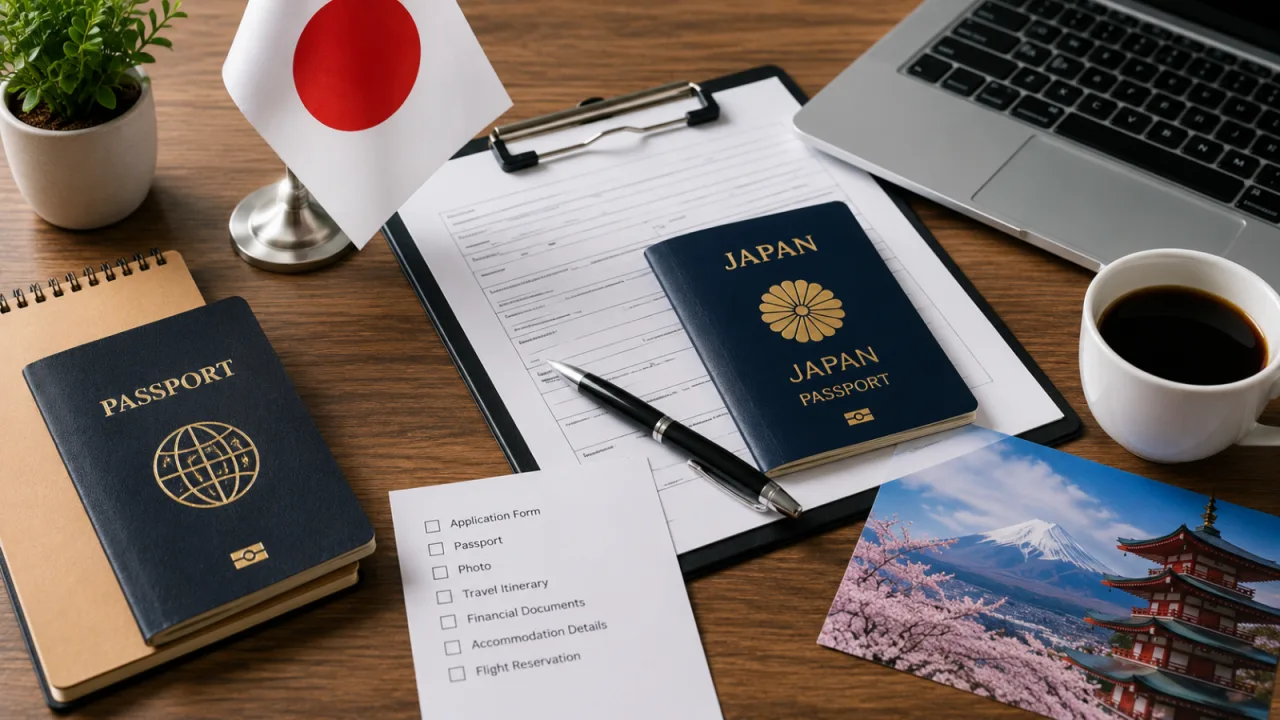
Applying for a Japan visa is fairly simple if you get your papers ready early. Though the minor rules change depending on where you live, the main steps are the same for almost everyone. Preparing early makes the entire Japan visa application process much smoother.
1. Choose the Correct Visa Category
Choose the visa category for what you plan to do if it is for holiday, job, school, business, stopover or any other reason. Many people researching do americans need a visa for Japan start by picking the right category first
2. Get Your Paperwork Together
Get all the papers, including your passport, application form, photographs, financial proof, travel itinerary and any extra papers that you need for your trip. Having every document ready keeps your Japan Visa timeline on track.
3. Fill the applications form
While filling out the application form, make sure that all the facts you enter match your passport and supporting documents exactly, so that there will be no delays in processing.
4. Book an appointment if required
Some Japanese embassies, consulates or visa application centres will require you to book an appointment before you can submit your application.
5. Submitting your application
Go to the relevant embassy, consulate or accredited visa application centre with your completed application form and any other documentation.
6. Pay for your visa
Pay the required visa fee in the way accepted by that specific office. The fees vary according to your country and visa type.
7. Get Approval
Once they obtain your papers, it normally takes 5 to 10 business days. If they need to double-check anything or ask for supplementary documentation, it may take longer.
8. Get Your Passport Back
Once your visa is accepted you may either pick it up at the office where you applied or use the mail delivery option if they provide it.
Japan Visa Processing Time and Fees
The cost of a Japan visa and the time it takes to complete it will vary depending on your nationality and the embassy/consulate you apply to. Here is a brief overview of the average prices and time frame. Costs and timelines are closely tied to the specific Japan visa reqs for your category.
| Category | Cost (USD) | Standard Processing Time |
|---|---|---|
| Tourist Visa (Single-Entry) | $93 | 5 to 10 working days upon receipt of a completed application |
| Multiple-Entry Visa | $186 | 5 to 10 working days (Can take up to a month if extra verification is needed) |
| eVisa | $93 | 5 to 10 working days standard electronic processing window. |
While processing usually takes one to two weeks, any need for additional background verification can slow things down. During peak holiday seasons, you should expect extra processing days. Picking up your documents in person is common for many Japan travel visas.
Because costs and guidelines can change without notice , always double-check the current rules with the Japanese embassy,consulate or official visa center handling your paperwork before submitting your application.
Do US Citizens Need a Visa for Japan?
US citizens don’t need a visa for short term stays in Japan up to 90 days for tourism, business meetings or family visits. Just ensure your passport is valid for the duration of your stay and you have proof of onward travel.
But Americans relocating, education or residency must have the correct visa before traveling. Depending on your visa track Based, you might need a Certificate of Eligibility (CoE) from a supporting employer, school or organization in Japan.
Entry requirements and immigration rules can change without notice, that’s why US travellers should confirm the rules with the Japanese embassy or consulate prior to departure.
Japan eVisa
The Japan e-visa allows eligible foreign nationals to apply online for a short term tourist visa without going to the embassy or consulate. It’s strictly for residents of certain countries and is usually meant for a single trip. If you qualify, you can apply, upload the required documents, and receive a digital visa issuance notice upon approval.
What if my travel date is near, but my Japan visa has not yet been issued?
If your vacation is coming up soon and you don’t have your visa yet in your hands, watch your account and your inbox. If they request further papers, send them immediately and make sure they are completed up precisely. Japan does not offer rush orders, therefore you could not get it on time. If you get into a problem, call the embassy for advice. This concern is far less common when do us citizens need a visa for Japan, since most short trips don't require one at all.
Common Reasons for Japan Visa Rejection
Most visas are issued but some are rejected for not following the rules. Knowing frequent mistakes will help you correct your documentation in advance so that you don’t run into any problems. A little extra care at every step keeps your Japan Visa on schedule.
Forgotten documentation: One of the most typical reasons for a visa delay or rejection is forgetting to send in all your documentation.
Mistakes or Conflicting Details: If you have errors on your form that don’t match up with your documentation, it seems like a red signal to the embassy official looking at your file.
Not enough money: Prove that you have enough money to pay for your vacation to Japan.
Confusing Travel Plans: A hazy plan or an unclear schedule can affect you in terms of getting approved or not.
Unfinished Forms: If you leave lines blank or don’t sign, your application will be slowed down or rejected.
Conclusion
Japan’s visa system can seem confusing at first, but it boils down to one basic idea match your visa to your goal, and prepare your paperwork with care. Whether you’re on a short break or a longer stay for work or study, a little bit of planning can make for a stress-free application. Start early, be organised, and contact your embassy or consulate for the application. Follow the guide above, and the paperwork becomes just a little step in an extraordinary vacation.
Frequently Asked Questions
Yes, U.S. citizens are visa-free for brief visits to Japan up to 90 days. You do not need to apply for a visa in advance or pay a fee if you are traveling for tourism, business meetings or visiting relatives.
The cost of a 1-month tourist visa varies a lot as there is no common global price and each country sets its own taxes from free to about $435.
Typically no. Visa processing time for Japan is 5 to 10 working days (excluding weekends and holidays). Japanese embassies and consulates clearly mention that they do not offer expedited services.
US citizens may stay in Japan for up to 90 days without a visa for tourist or short term business. For lengthier stays, visas must be secured beforehand, and Japanese immigration normally limits total time spent on a tourist status to no more than 180 days within a 12-month period.
Yes, $10,000 USD is a lot for a one week trip to Japan for a single traveller or a couple. A comfortable normal week usually only costs between $2,000 to $4,000 altogether, while that’s around $1,400 a day, which leaves you plenty of leeway for luxury.