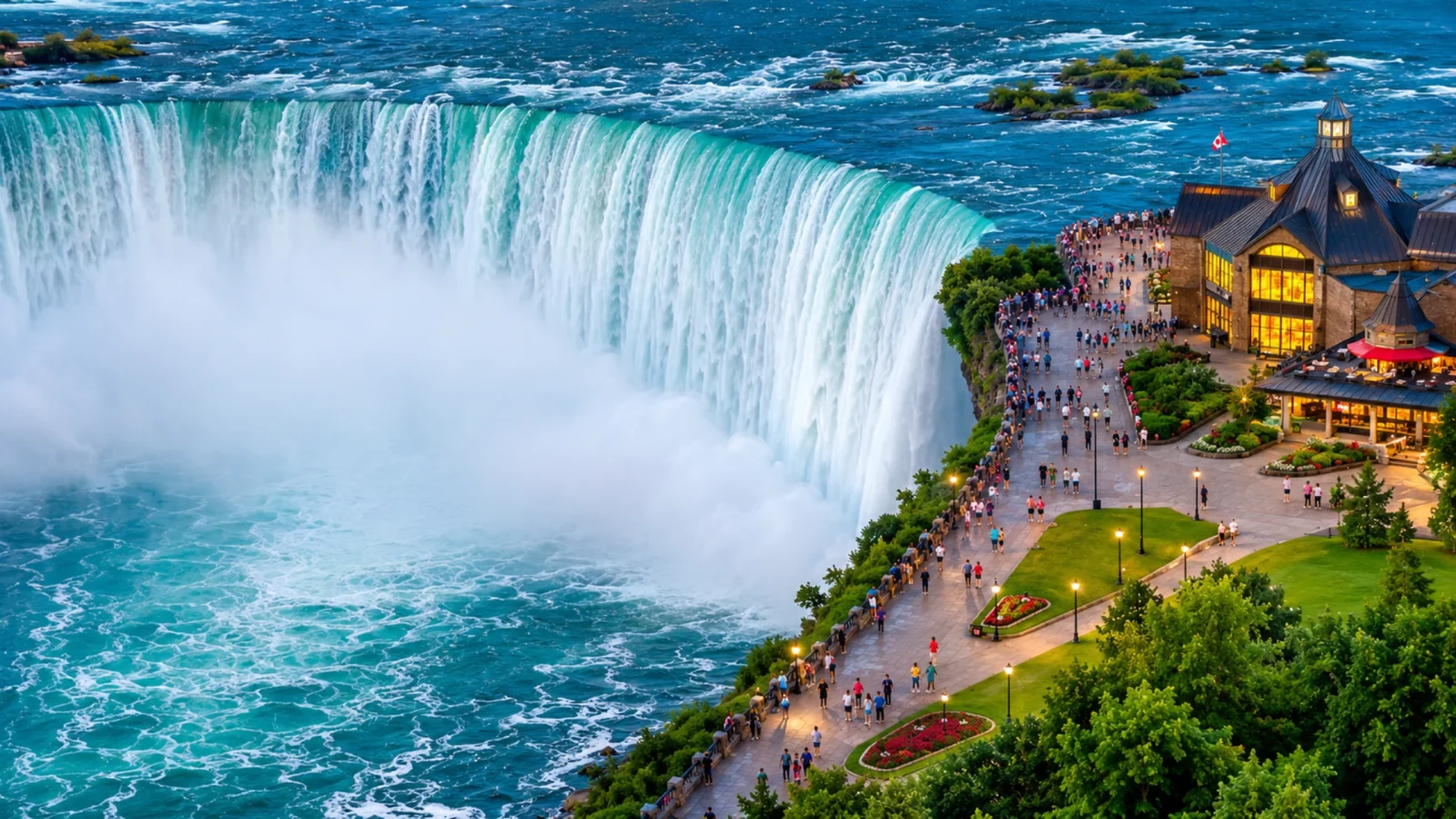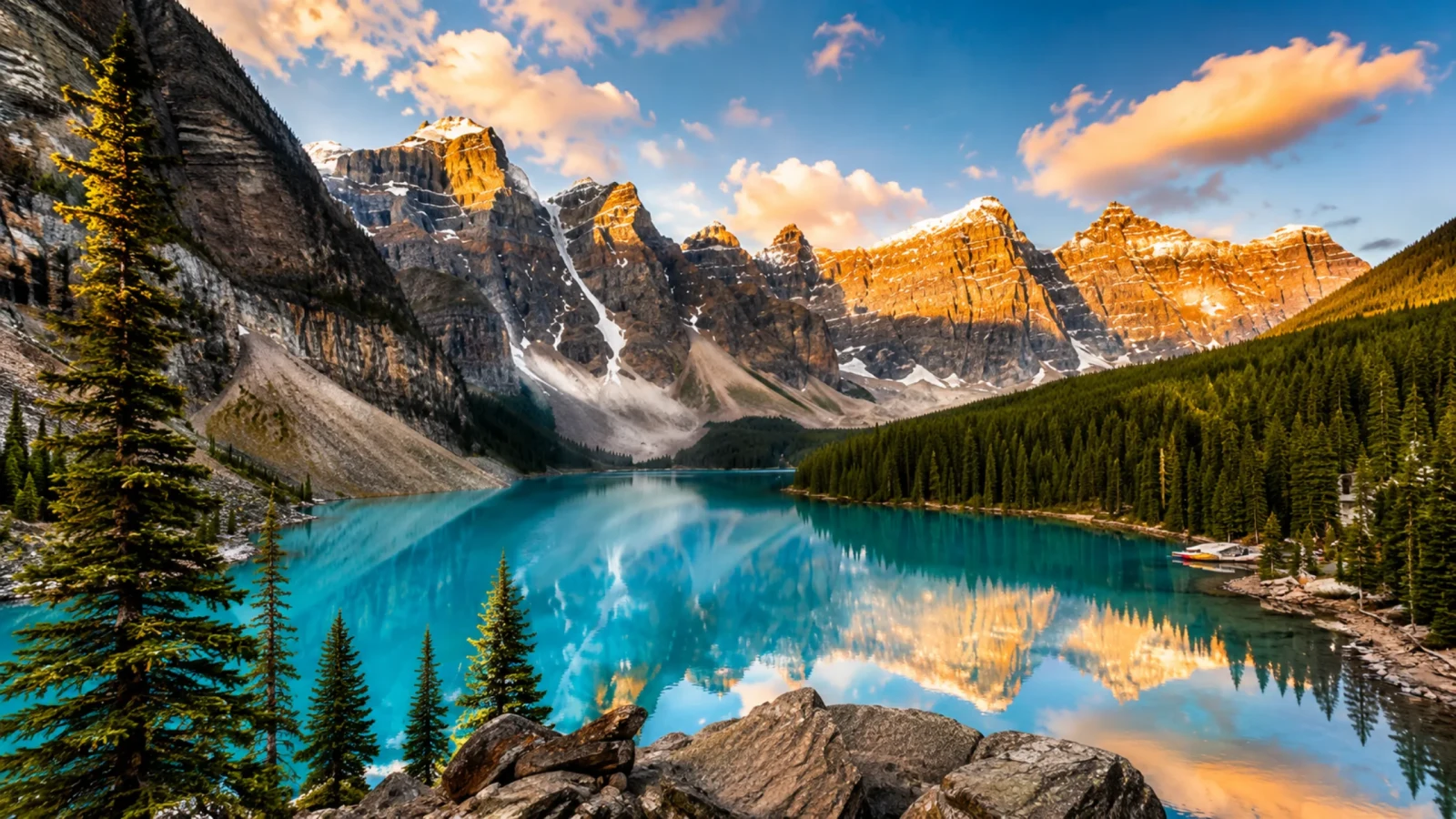
Picture a lake so blue it looks painted, ringed by jagged, snow-dusted peaks and framed by dark pine forest. Somewhere beyond the tree line, an elk grazes in silence while the morning mist lifts off the water. This is an ordinary moment in Banff, Canada, and it's exactly why the town and its surrounding national park have become synonymous with alpine beauty.
Nestled in the heart of the Canadian Rockies, Banff consistently ranks among the most beautiful places on earth, drawing millions of travelers who come for the turquoise lakes, dramatic mountain scenery, and abundant wildlife. But Banff isn't just a pretty postcard, it's a destination that rewards planning, curiosity, and a little patience with the crowds.
In this guide, we'll explore what makes Banff so visually spectacular, the attractions you shouldn't miss, the best time to visit, and practical tips to help you make the most of your trip.
Where Is Banff?
Banff is a small mountain town located in the province of Alberta, Canada, roughly 90 minutes (about 130 km) west of Calgary along the Trans-Canada Highway. It sits inside Banff National Park, Canada's very first national park, established in 1885.
The park itself spans over 6,600 square kilometers of the Canadian Rockies and forms part of the Canadian Rocky Mountain Parks UNESCO World Heritage Site, alongside neighboring parks like Jasper, Yoho, and Kootenay. This protected status has helped preserve the region's pristine lakes, glaciers, and forests for well over a century.
Why Is Banff So Beautiful?
Banff's beauty comes from a rare combination of natural features working together in one compact area. Glacially-fed lakes glow in shades of turquoise and emerald, thanks to fine rock particles called "glacial flour" suspended in the water. Towering limestone peaks rise dramatically from the valley floor, many still capped with snow well into summer.
Dense spruce and pine forests blanket the lower slopes, while rivers like the Bow River wind gently through the town itself. Add in frequent wildlife sightings and alpine meadows bursting with wildflowers in July and August, and it's easy to see why photographers and travelers alike are drawn here. Unlike many destinations, Banff also delivers four-season beauty; golden larches in autumn, frozen waterfalls in winter, and blooming meadows in spring each offer a completely different experience.
Why Travellers Love Banff
Crystal-clear glacial lakes with unreal turquoise colour
Towering, snow-capped mountain peaks at every turn
World-famous scenic drives like the Icefields Parkway
Frequent wildlife encounters, from elk to black bears
Endless adventure activities, from hiking to skiing
Luxury mountain resorts paired with rustic wilderness charm
What Are the Must-See Places in Banff?
Banff is home to some of Canada's most breathtaking natural attractions, from turquoise glacial lakes and towering mountain peaks to scenic drives and wildlife-rich valleys. Whether you're visiting for a day or planning a longer stay, these iconic destinations showcase the beauty of the Canadian Rockies and offer unforgettable outdoor experiences throughout the year.
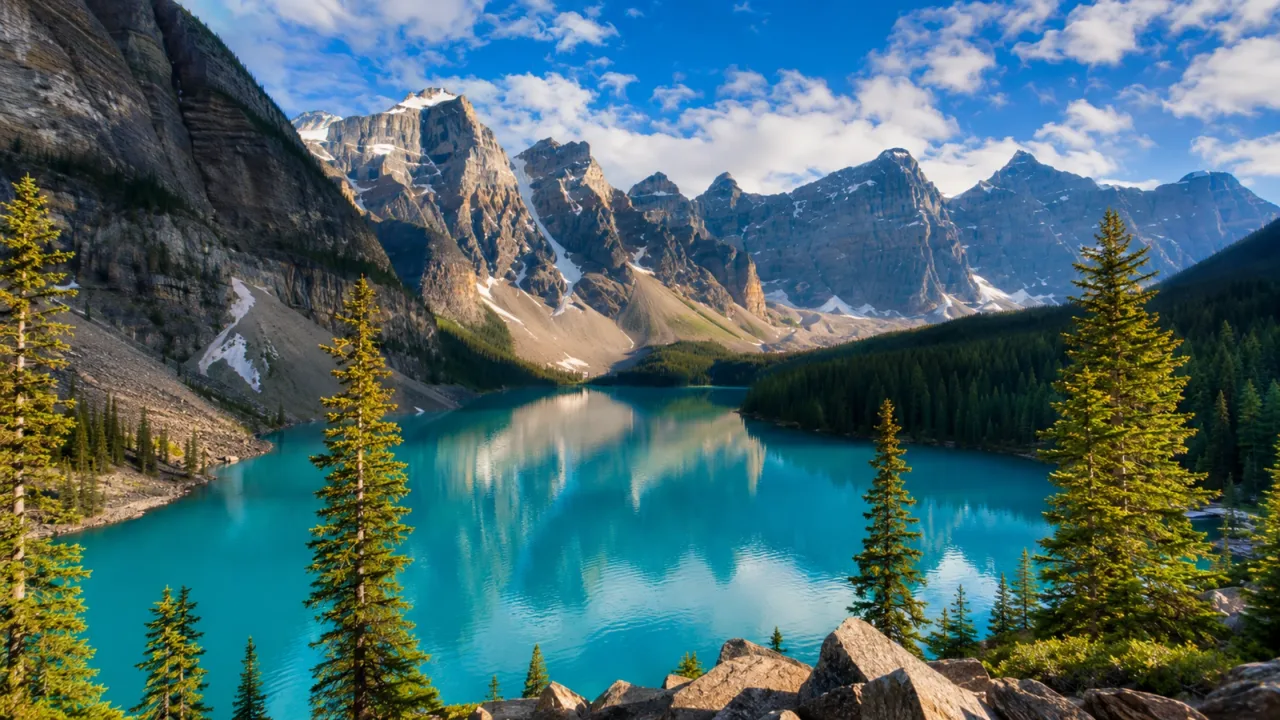
Lake Louise: Famous for its vibrant turquoise waters surrounded by rugged mountains, Lake Louise is perfect for canoeing, hiking, photography, and winter ice skating.
Moraine Lake: Renowned for its striking blue water in the Valley of the Ten Peaks, this seasonal lake offers spectacular viewpoints and some of Banff's most photographed landscapes.
Banff Gondola: Ride to the summit of Sulphur Mountain for panoramic views of Banff National Park, interactive exhibits, and scenic boardwalks.
Johnston Canyon: A popular hiking destination featuring waterfalls, limestone cliffs, and suspended walkways. Visit in winter to see the frozen falls and ice formations.
Bow Falls: Located just minutes from downtown Banff, these wide, powerful waterfalls are easily accessible and provide excellent photo opportunities.
Peyto Lake: Known for its unique wolf-head shape and vivid blue color, Peyto Lake is one of the most scenic stops along the Icefields Parkway.
Vermilion Lakes: A peaceful spot for sunrise and sunset photography, wildlife watching, and reflections of Mount Rundle on calm waters.
Cave and Basin National Historic Site: Discover the birthplace of Canada's national parks while exploring natural hot springs and learning about Banff's conservation history.
Tunnel Mountain: A short but rewarding hike that offers sweeping views of Banff town, the Bow Valley, and surrounding mountain ranges.
Icefields Parkway: One of the world's most scenic drives, connecting Banff and Jasper through glaciers, waterfalls, turquoise lakes, and dramatic alpine landscapes.
What Are the Best Things to Do in Banff?
Beyond sightseeing, Banff is an adventure hub offering activities suited to every season and energy level.
Hiking – With hundreds of kilometers of trails, from gentle lakeside walks to challenging alpine routes, hiking is Banff's signature activity.
Canoeing – Paddling on Lake Louise or Moraine Lake offers a slower, more intimate way to take in the scenery.
Wildlife Watching – Guided tours and scenic drives make it easy to spot elk, bighorn sheep, and occasionally bears from a safe distance.
Gondola Rides – The Banff Gondola and Lake Louise Gondola offer effortless access to sweeping mountain panoramas.
Horseback Riding – Trail rides through the Bow Valley connect visitors to the region's ranching and pioneer history.
Skiing and Snowboarding – Three major resorts (Sunshine Village, Lake Louise, and Mount Norquay) make Banff a world-class winter destination.
Ice Skating – Frozen Lake Louise and Vermilion Lakes transform into scenic natural skating rinks in winter.
Camping – Numerous front-country and backcountry campgrounds let visitors sleep beneath the Rocky Mountain sky.
Scenic Drives – Self-drive routes like the Icefields Parkway reveal glaciers, waterfalls, and wildlife at every turn.
Photography – Banff's landscapes offer year-round opportunities, from summer wildflowers to winter's frosted peaks.
Why You'll Love It
Activities suit every fitness level and travel style, from leisurely to adrenaline-fuelled
Most major experiences are accessible within a short drive of the town centre
Guided tours are widely available for visitors who prefer expert-led outings
Many activities, like scenic drives and photography, are free or low-cost
Winter and summer offer completely different, equally rewarding experiences
When Is the Best Time to Visit Banff?
Each season transforms Banff into a different destination, so the best time to visit depends on what you want to experience.
| Season | Temperature | Crowds | Best Activities |
|---|---|---|---|
| Spring (Apr–May) | 0–12°C | Low | Waterfalls, wildlife, budget travel |
| Summer (Jun–Aug) | 15–25°C | High | Hiking, canoeing, lake visits |
| Autumn (Sep–Oct) | 5–15°C | Moderate | Larch hikes, photography |
| Winter (Nov–Mar) | -15 to -5°C | Moderate | Skiing, ice skating, Northern Lights |
Spring brings melting snow, roaring waterfalls, and fewer crowds, though some high-altitude trails remain closed. Summer is peak season, with warm weather and full access to lakes and trails, but also the busiest crowds and highest prices. Autumn offers golden larch trees and crisp air with noticeably thinner crowds, making it a favourite among photographers. Winter turns Banff into a snow-covered wonderland, ideal for skiing, though some roads and trails require extra preparation.
Tip: If you want to see Moraine Lake without crowds, visit in June right after the road opens or in early autumn before it closes for the season.
What Wildlife Might You Encounter in Banff?
Banff National Park is home to a remarkable range of wildlife, and spotting animals in their natural habitat is one of the highlights for many visitors.
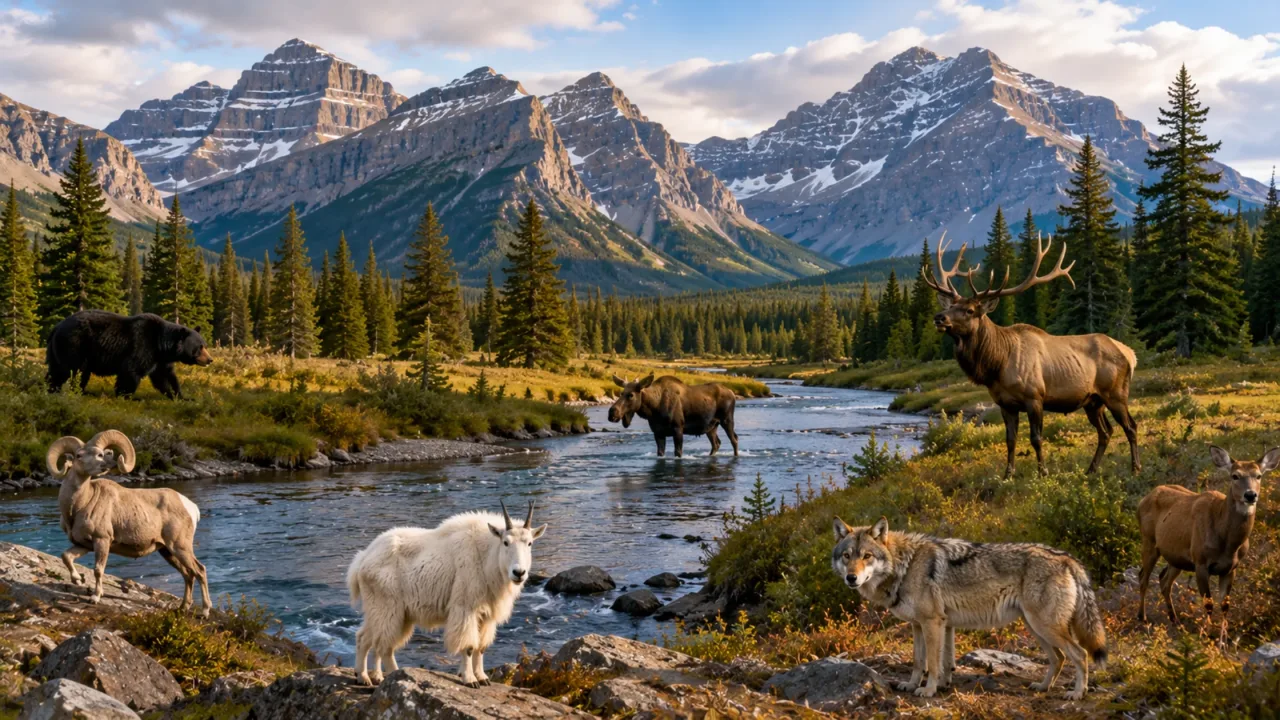
Commonly seen species include elk, often grazing near the townsite, and mule deer, frequently spotted along roadsides. Black bears and, less commonly, grizzly bears roam the forests, particularly active in spring and early summer. Mountain goats and bighorn sheep are often visible on rocky slopes, while wolves and moose are rarer but occasionally sighted in quieter areas of the park.
Responsible Wildlife Viewing Tips
Always maintain a safe distance at least 30 metres from elk and 100 metres from bears
Never feed or approach wildlife, even if they seem calm
Keep car windows up and doors locked when observing animals from the road
Carry bear spray when hiking and know how to use it
Report aggressive wildlife encounters to Parks Canada staff immediately
Which Scenic Drives Should You Take Around Banff?
Two routes stand out as among the most breathtaking drives in the world, and both are must-dos for any Banff itinerary.
The Icefields Parkway stretches 232 km between Banff and Jasper, passing glaciers, turquoise lakes, and towering peaks at nearly every bend. The Bow Valley Parkway offers a slower, quieter alternative route between Banff and Lake Louise, known for frequent wildlife sightings and scenic pull-offs. Both roads reveal why the Canadian Rockies are considered one of the most photogenic mountain ranges on the planet.
How Many Days Should You Spend in Banff?
The ideal length of a Banff trip depends on your pace and interests, but here's a general guide:
Weekend (2 days): Focus on Lake Louise, Moraine Lake, and the Banff Gondola
3-day trip: Add Johnston Canyon, Bow Falls, and a scenic drive along the Bow Valley Parkway
5-day trip: Include a day trip along the Icefields Parkway and more in-depth hiking
One week: Explore neighbouring parks like Yoho and Kootenay, with time for relaxed sightseeing
What Are the Best Travel Tips for Visiting Banff?
A little preparation goes a long way in Banff. Keep these practical tips in mind before you go:
Purchase a Canada park pass before entering Banff National Park
Use the free Roam shuttle buses to reduce parking stress at popular sites
Book parking reservations for Moraine Lake and Lake Louise well in advance during summer
Carry bear spray when hiking in backcountry areas
Acclimatize gradually, as Banff sits at higher altitude than many visitors are used to
Pack layered clothing, since mountain weather changes quickly
Bring sturdy hiking shoes even for shorter, easier trails
Book accommodation months ahead for peak summer and winter seasons
Practice Leave No Trace principles to help preserve the park's beauty
Respect wildlife distance guidelines at all times
Bring a reusable water bottle, as tap water in Banff is safe to drink
Download offline maps, since cell service is limited in remote areas
Visit popular lakes at sunrise for better light and smaller crowds
Check trail and road conditions before heading out, especially in shoulder seasons
Consider travel insurance for outdoor activities like hiking and skiing
Note: Moraine Lake Road is closed to private vehicles in peak season, visitors must use the shuttle or book parking online.
What Other Destinations Are Worth Exploring Near Banff?
If time allows, several nearby destinations make excellent additions to a Banff itinerary.
| Destination | Distance from Banff | Known For |
|---|---|---|
| Jasper National Park | ~290 km | Wildlife, Maligne Lake, dark skies |
| Yoho National Park | ~55 km | Waterfalls, Emerald Lake |
| Kootenay National Park | ~55 km | Hot springs, canyons |
| Canmore | ~25 km | Charming town, hiking trails |
Jasper National Park, connected via the Icefields Parkway, offers quieter landscapes and exceptional stargazing. Yoho National Park is home to the stunning Emerald Lake and Takakkaw Falls. Kootenay National Park features the Radium Hot Springs and dramatic Marble Canyon. Canmore, just outside Banff, offers a relaxed alternative base with excellent restaurants and hiking access.
Conclusion
Few places combine glacial lakes, towering peaks, and abundant wildlife as seamlessly as Banff, Canada. Whether you're paddling across Moraine Lake, spotting elk near the townsite, or driving the Icefields Parkway toward Jasper, Banff delivers a kind of natural beauty that feels genuinely rare.
As you plan your trip, remember that this beauty depends on responsible travel — respecting wildlife, staying on marked trails, and treading lightly in this protected wilderness. Visit prepared, visit respectfully, and Banff will reward you with memories that last well beyond your trip home.
Frequently Asked Questions
Yes, Banff offers unmatched mountain scenery, glacial lakes, and wildlife, making it one of Canada's most rewarding travel destinations for nature lovers and adventure seekers alike.
Banff is famous for turquoise lakes like Lake Louise and Moraine Lake, dramatic Rocky Mountain scenery, abundant wildlife, and being Canada's first national park.
Banff can be pricey, especially in peak summer and winter seasons, though budget-friendly options like camping, hiking, and shoulder-season travel help reduce costs.
Yes, shuttle buses connect Calgary, Banff, and Lake Louise, while the local Roam transit system covers many attractions within the park.
Both are stunning; Moraine Lake offers deeper blue water and mountain backdrops, while Lake Louise provides easier access and iconic chateau views.
Three to five days is ideal for most travelers, allowing time for major attractions, hiking, and at least one scenic drive.
July and August typically offer the warmest, most stable weather, making them ideal for hiking, though they're also the busiest months.
Yes, Banff offers family-friendly trails, gondola rides, and wildlife viewing, with many attractions accessible for children and travellers of all ages.