You are planning a trip to the Bahamas, you have imagined everything, the fresh air near the beach, cooling drinks, and a spacious Airbnb. But wait, something is coming in your way. Why are flights so expensive right now? Why do you have to pay so much for just one-way, and that too for economy class?
In this guide, we're going to go over the reasons flights are so costly now, what has changed since years gone by, and what you can do as a viable option to travel but not overspend.
Why Are Flights So Expensive?
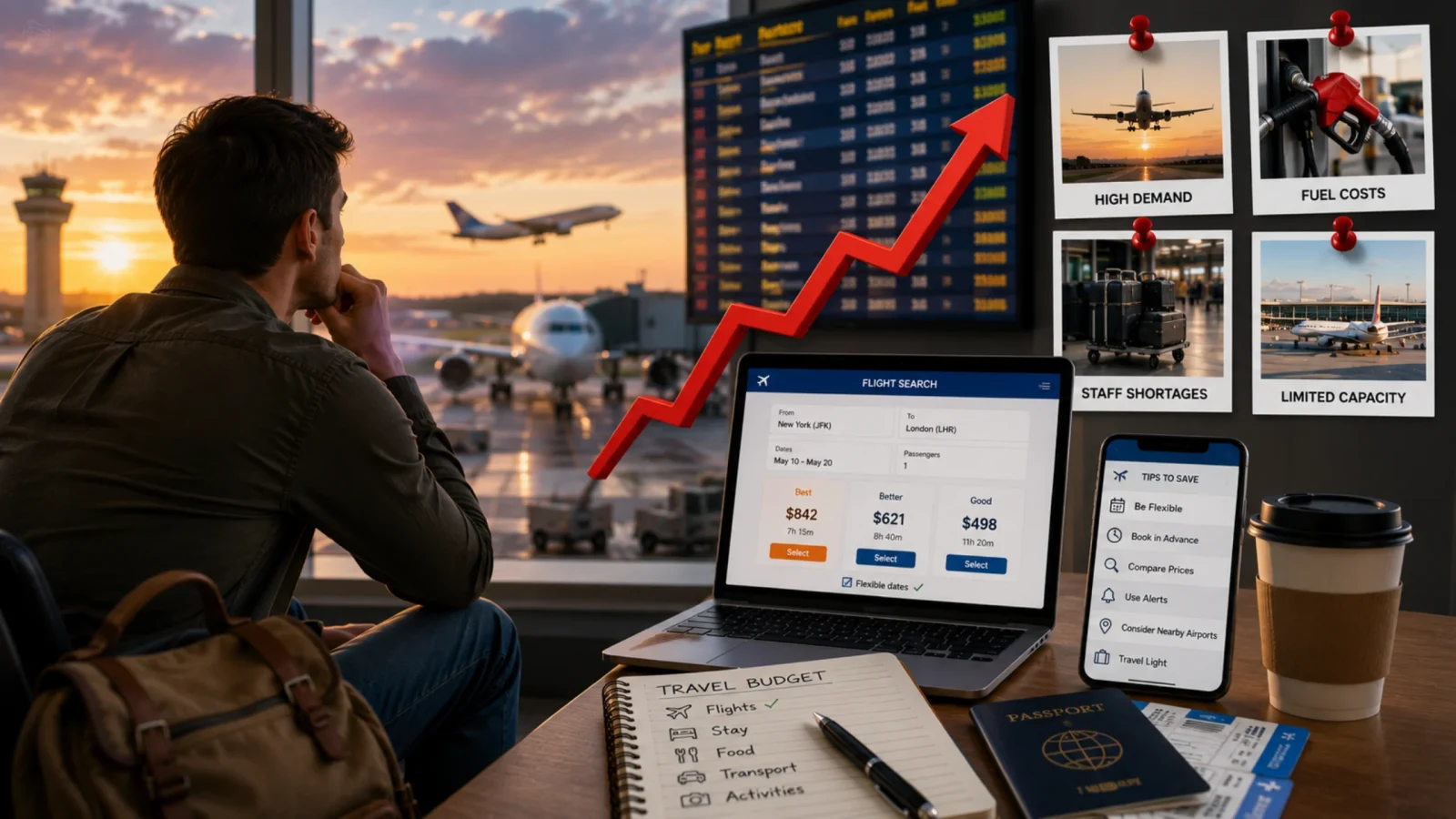
Flights are expensive right now because fuel costs have surged, airlines don't have enough pilots or planes to meet demand, geopolitical conflicts are forcing longer flight routes, and airlines are using increasingly aggressive dynamic pricing technology to charge each passenger the most they're willing to pay.
Let’s look carefully at the reasons behind the price hike:
1. Jet Fuel Prices Have Spiked
Fuel is generally an airline's biggest operating cost and can make up 20-30% or as high as 40% of all costs. Crude oil prices continue to surge through 2026 due to ongoing geopolitical unrest, including some conflict in the Middle East. In early 2026, some industry reports have suggested that jet fuel prices could go up by up to 70% in a few weeks, with the price of filling a single wide-body aircraft increasing by thousands of dollars in the blink of an eye, which is why are flights so expensive right now and it is getting difficult for the people to book tickets.
2. Pilot and Crew Shortages
Aviation is not yet over the hump of early retirement and less training of pilots that took place during the pandemic. With a small pipeline of qualified pilots, mechanics and air traffic controllers, airlines are vying for a limited supply of these workers, and they are bidding up wages and new union contracts as a result. The higher the labor cost, the more it is directly reflected in the ticket price, and the fewer the number of their crews, the fewer the number of flights they can schedule as per the demand.
3. Aircraft Delivery Delays
Boeing and Airbus have been years behind schedule with their aircraft deliveries due to supply chain problems and manufacturing delays. This situation translates into airlines not being able to grow their fleets and routes quickly enough to meet the growing demand. This supply and demand imbalance, with more travelers demanding fewer seats, is perhaps the top structural reason why are flights so expensive right now and won't change any time soon.
4. Airspace Restrictions and Longer Routes
Avoiding certain regions of the airspace that were previously accessible has brought to a halt much of the airspace traffic. Long-haul flights between the United States, Europe, and some parts of Asia are now being rerouted to longer, less fuel-efficient routes to skirt restricted areas and can be one to three hours longer. Longer trips use more fuel, take more crew time and decrease the number of times an aircraft can turn around in a day. All this extra operating expense ends up in the ticket price.
5. Travel Demand Has Rebounded Faster Than Supply
After the "revenge travel" that followed the pandemic, there is a slight dampening down, but the thirst for travel is still strong. Experiences remain a non-negotiable for consumers, and they are willing to pay more for them. When folks ask why are flights so expensive right now, one of the pieces of the puzzle is that as long as flights continue to fill up at their current rate, there's little financial motivation for airlines to sell them at a discounted rate.
6. Dynamic, AI-Driven Pricing
Airlines have come a long way from just seasonal pricing. Today's fare systems are based on AI-powered models that can incorporate various factors that signal demand, such as current search volumes, booking speeds, and unsold seat availability, and recalibrate prices several times a day. This means the "cheap flights on Tuesday" myth does not seem to hold true, multiple independent studies have been unable to identify any consistent link between “flight day” and “flight price.” It's really about the time of booking and to a lesser degree, the day of the week you're flying.
7. Currency Fluctuations
If you're traveling outside the U.S. and Europe, the hit of currency devaluation on the dollar or euro will be a further burden on your travelers as the majority of international tourism fares are quoted in these two currencies. The relative strength of the local currency has an impact on the cost of tickets in real terms and adds to the upward pressure on fares caused by other factors which concludes with the answer to why are flights so expensive right now.
8. Hidden Fees and Ancillary Charges
Airlines have been at their art of stacking on additional fees, even on what seems like a reasonable base fare. The cost of checking a bag is now $40–$50 one-way, seat selection is often $30 or more and "Basic Economy" tickets may require an additional $50–$100 to secure just a basic fare along with a carry-on. If you add all the numbers up, it's often 20-30% more expensive to fly than the posted price, for another reason why the price you see isn't the same as the price you pay.
It's Not Just Economy, Business Class Is Getting Pricier Too
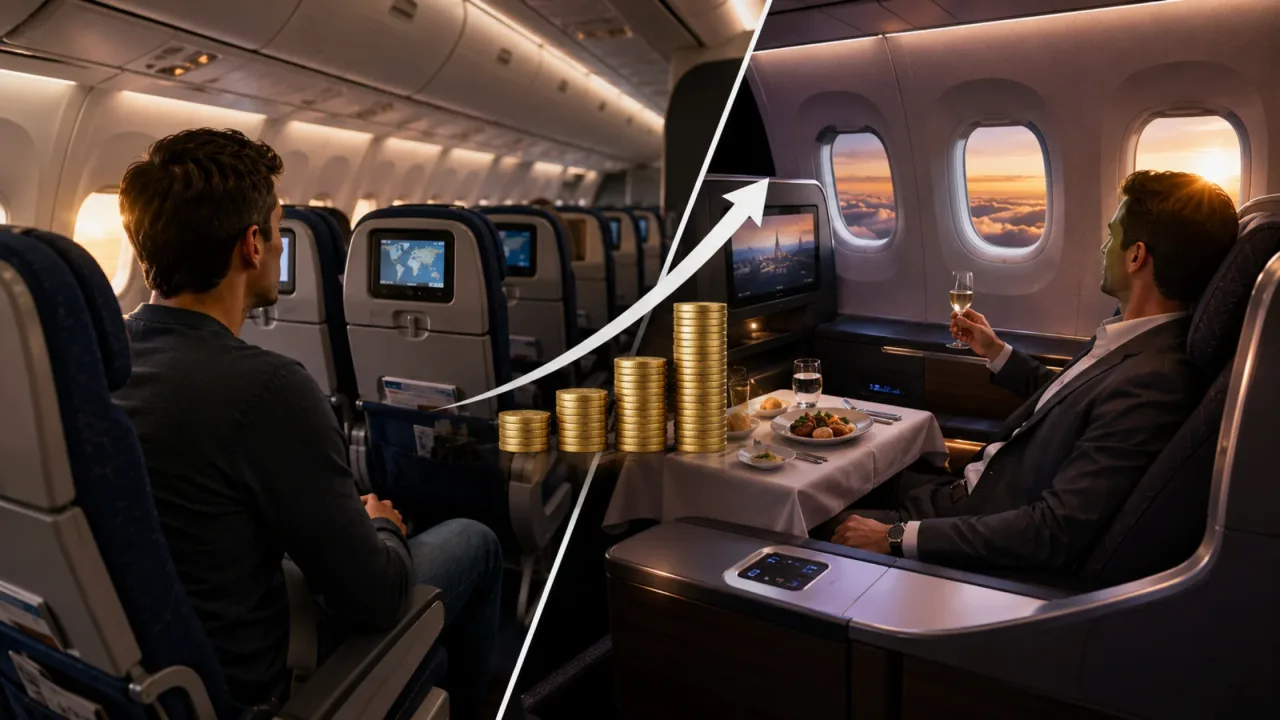
It's not just for the budget traveler. Some of the biggest percentage rises have been in premium cabins, where airlines are turning to business-class and first-class fares with their higher margins to compensate for rising costs in other cabin classes. Airlines have also tightened up the availability of award space and boosted the points or cash required to book a high-priced seat in the front of the aircraft, making it more difficult to find any real value in the front of the plane. For premium cabins in particular, the root causes are the same as for the rest of the segments listed above, but compounded by fewer seats and increased demand from business travelers who are less sensitive to price to start with.
Corporate travel budgets have also bounced back, putting business-class travel on a level playing field with a reduced supply of business-class seats. Airlines are aware of this, and they charge accordingly, sometimes tripling the price of the economy fare for business class on the same flight which results in why are flights so expensive right now?.
How much have prices increased?
It's increased by a wide variety of numbers depending on the route, but it's been a startling amount. Fares on some domestic U.S. routes have risen by as much as over 100%, depending on the market and booking time. International long-haul flights, especially to Europe and from Asia to the Middle East, have been the hardest hit because of the rerouting of flights and the higher fuel prices. It's an unusual time in aviation pricing history, and this is “why flights are so expensive right now?” question is one of the most searched travel questions of the year.
Which routes are hit hardest?
U.S. transatlantic routes: On many routes to and from Europe, the economy round-trip rate is now in excess of $1,000, thanks to fuel surcharges and limited widebody availability on U.S. carriers.
Domestic short-haul routes: Less capacity in regions due to pilot shortages has caused a few smaller markets to have fewer flights than they previously had and higher average fares, despite lower fuel and distance costs compared to long-haul routes.
Business and First Class cabins: Premium seat counts are not increasing anywhere near the rate premium demand is increasing, so for any long-haul route, these are likely to see the highest rates of percentage increase in the cabin types.
Not all routes are impacted the same, and that's precisely why flexibility in date and destination has been a fantastic money-saving tool this year.
Is This Temporary, or Is It the New Normal?
It's a legitimate question, and the answer is likely to be both. Some of that pressure, such as acute fuel price increases linked to a particular conflict, may soften if geopolitical tensions abate. Other issues, however, such as delivery backlogs for aircraft, as well as a shortage of pilots and permanently higher labor costs due to new union contracts, are structural and will take years to solve completely. Beyond that, airlines have continued to display no signs of easing up on dynamic pricing or ancillary fees, which have both proved to be very profitable. In reality, the days of super-high airfares are likely to remain a reality for the foreseeable future, though the worst of the record costs may eventually be moderated.
Industry experts typically look at the second half of the decade from the time that new orders are actually received and training programs have caught up before capacity begins to become more of a concern. Until that time, the best idea is not to wait for prices to drop but to improve on the pricing environment that is already there.
How to Beat High Airfares in 2026
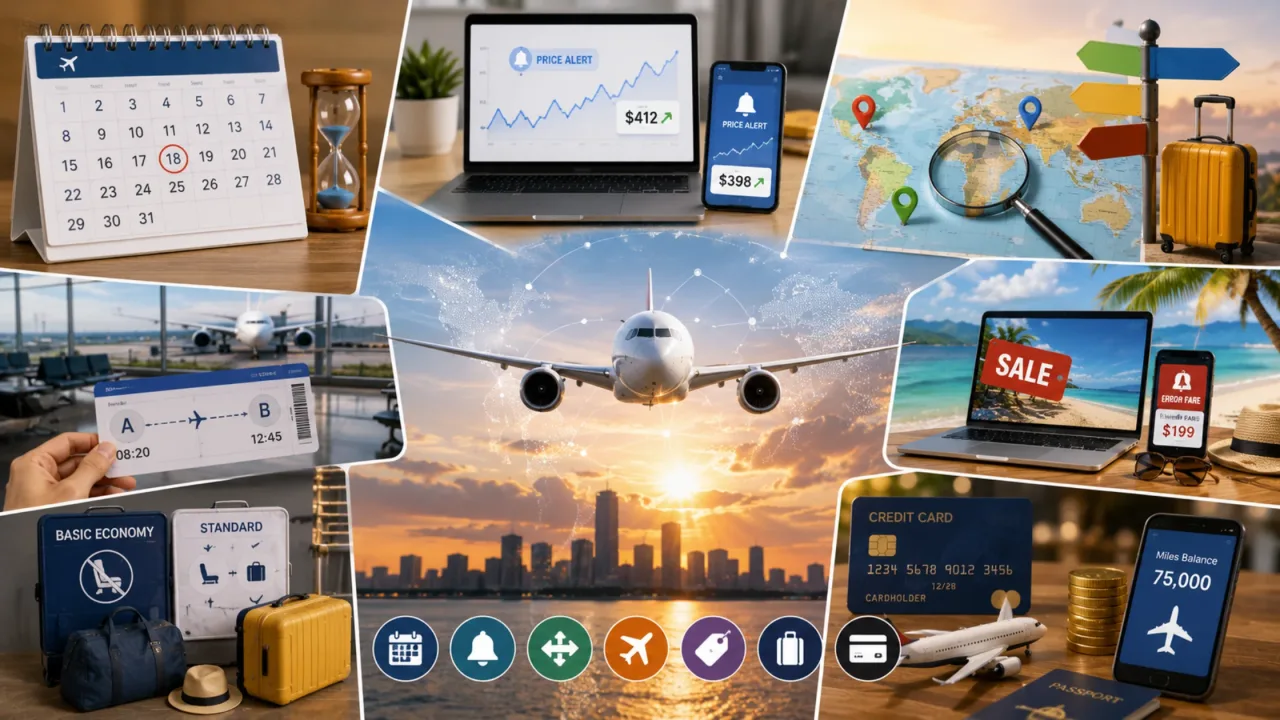
Book in the Right Window
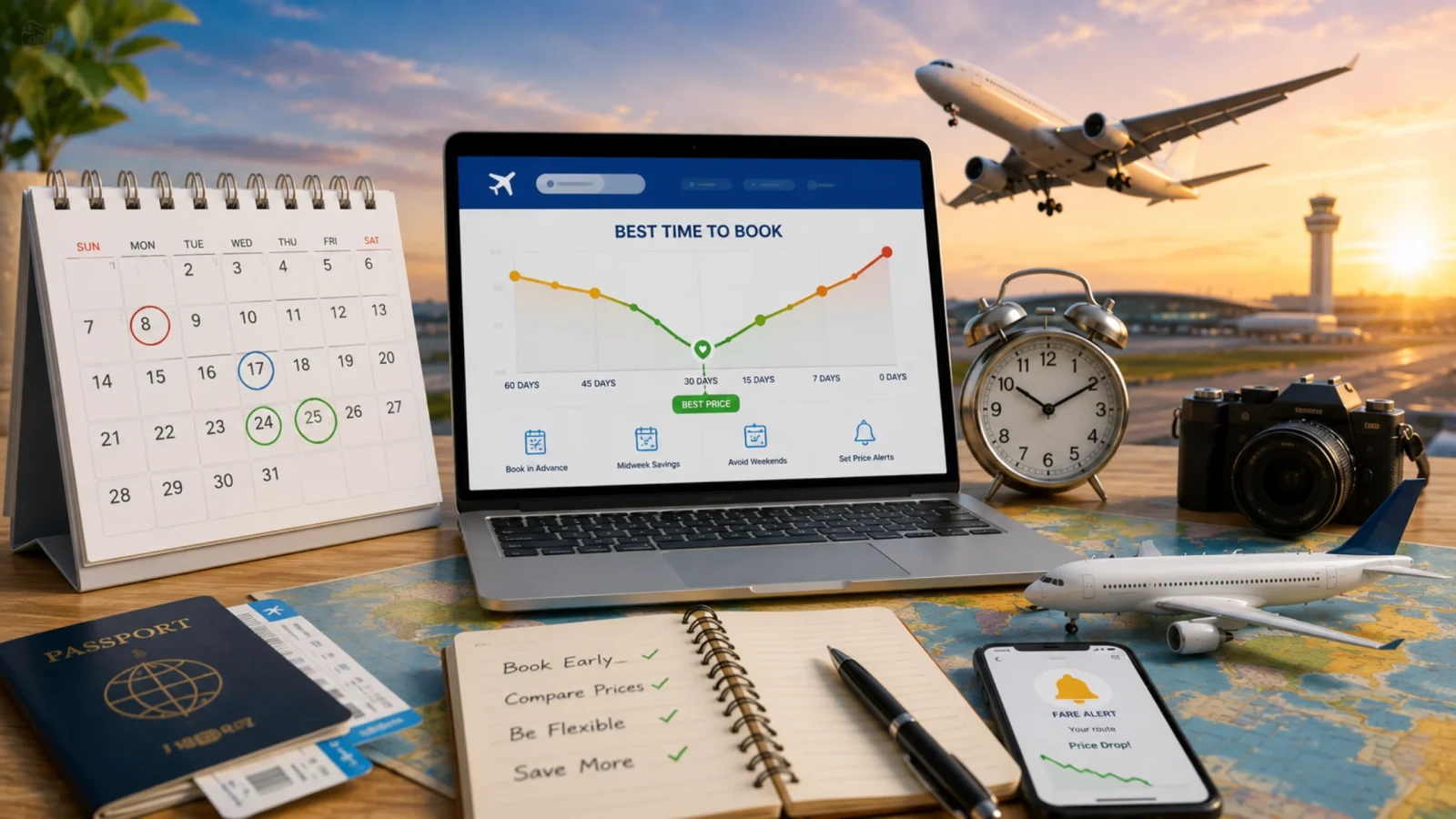
The statistics always suggest that making a booking first is one of the only sure-fire ways of avoiding paying the highest fares. As a flight approaches the flight day, prices often increase incrementally, particularly within three weeks, two weeks and one week of the flight.
When it comes to domestic flights, try to reserve in advance of 3-6 weeks.
Avoiding the "best day of the week" to book will not change that trend. The important thing is to make early reservations and keep an eye on the price as your travel date gets closer.
Use Price Trackers and Fare Alerts
The price tracking function on Google Flights, and other third-party fare-alert programs, monitor routes for a period of time and alert you when you see prices that are lower. Most of the standard economy ticket on most carriers don't have change fees anymore, and some people rebook the same flight for a lower cost if it is lowered after booking and keep the difference as a credit. With fares changing so often (sometimes several times a day), manual checking is no longer feasible, and automated repricing and price-tracking tools have finally proved useful.
Be Flexible With Dates, Airports, and Destinations
One of the strongest (and free) travel tools at the disposition of travelers is flexibility. A few days later or earlier, flying midweek rather than on a Friday or Sunday, or booking a flight to a secondary airport that is close to home, can have a significant impact on reducing your overall expenses.
If your ideal destination has become out of reach, try to find other less competitive places with a comparable experience for a lower cost. This is usually the quickest route around the routes that are most impacted by the price surge of airfares.
Choose Connecting Flights Over Nonstop When It Makes Sense
The convenience of non-stop travel comes at a cost. In some cases, one logical connection can result in significant savings on the same flight, particularly on international routes that are long enough that rerouted airspace has caused some nonstop routes to become more costly to fly, which is why are flights so expensive right now.
Watch for Sales, Error Fares, and Off-Peak Windows
Airlines offer seasonal discounts during low-sales periods. This usually happens in January, late summer, and Black Friday. There are times when you can come across true error fares that appear from time to time, during which a route is incorrectly added, which is cheaper than it actually is. At that time, there are some travelers who get lucky by booking a ticket on these exceptional fares.
Reconsider Basic Economy and Bundle Wisely
Ancillary fees are a major part of the equation once you factor in bags and seats, so it's often worth comparing the true, all-in cost of a Basic Economy fare against a standard fare that already includes a carry-on and seat selection. The advertised price isn't always the cheaper option once every fee is added back in.
Use Points, Miles, and Travel Credit Cards Strategically
With cash fares elevated across the board, loyalty points and airline miles have become relatively more valuable. Redeeming points for premium cabins, in particular, can sometimes offer far better value than paying the inflated cash price for business or first class.
Conclusion
Flights getting expensive does not mean that you cannot travel. Costly fuel, high demand, or pricing algorithms, none of these factors can stop you from boarding a plane. By booking early, staying active, and constantly keeping an eye on airfares, you can get the right tickets, maybe not cheap, but something better than the first one. This Booking trolley guide will help you analyze different fares, and some nerdy tips will bring a change in the way you look at things while booking a flight.
Frequently Asked Questions
Currently, airfares are high, the result of high prices for jet fuel due to geopolitical tensions, reduced flight capacity, and high and unremitting demand from consumers. The failure of budget airlines like Spirit Airlines has also cut down competition among airlines, giving the remaining companies more power to set prices.
Comparing the pros of both times of day helps you find the absolute best prices and options on flights:
Morning flights: If you want the most reliable and comfortable flights. Early flights are the first out so they don’t get delayed as much and they often have less turbulence. On some leisure routes they can also be less expensive.
Evening flights: Often preferred by budget-conscious travelers. Airlines often lower prices in the evening on many routes to fill seats that are empty because the morning and midday flights are popular with business commuters.
There is no cheapest day to book a flight, however, booking windows matter more than what day of the week you buy tickets. For domestic flights, the “Goldilocks window” is 30 to 90 days before departure. For international flights, book 2 to 8 months out. For last-minute international deals, fares can sometimes plummet 1-2 weeks prior to departure.
Airlines usually have dynamic pricing models, so the chances of a flight getting cheaper are usually slim, and prices typically rise as flights fill up. Sure, there are the odd flash sales or small last-minute tweaks, but historically prices tend to go up the closer you get to your departure date.
Night does not guarantee lower flight prices. The idea that you should wait until midnight before booking a flight is mostly a myth, today’s airline algorithms constantly change fares based on real-time demand, not the clock.