

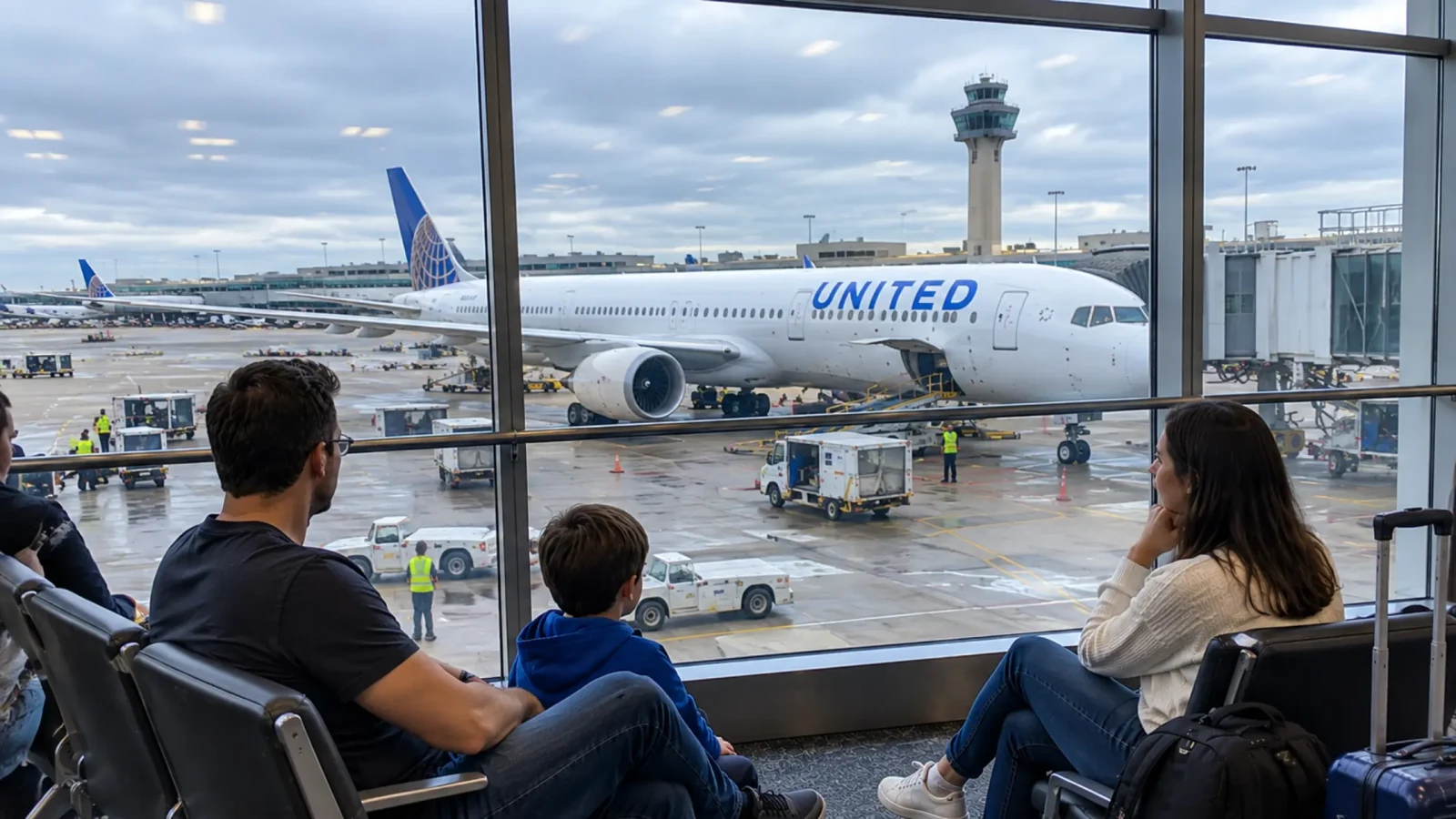
WASHINGTON, D.C. — Air travel across the United States came to a near-standstill on Friday, November 13, 2026, after the Federal Aviation Administration (FAA) issued a rare nationwide ground stop. Lasting over four hours, the shutdown grounded thousands of flights, stranded tens of thousands of passengers, and marked the longest domestic aviation halt since the September 11, 2001 attacks.
A Four-Hour Nationwide Standstill
At 3:54 PM Eastern Time on Friday, the FAA ordered all departing flights across the country to remain on the tarmac. At the exact moment the directive went into effect, more than 4,000 commercial and private aircraft were already airborne in US airspace. Air traffic controllers safely guided every mid-air flight to its destination, while departures remained frozen for 4 hours and 21 minutes before operations cautiously resumed at 8:15 PM ET.
What Caused the System Failure?
Federal officials confirmed that the crisis was triggered by a severe telecommunications and data overload rather than a cyberattack or scheduling software glitch.
The disruption occurred during routine infrastructure maintenance conducted by FAA contractor L3Harris, which was in the process of replacing aging copper wiring with modern fiber-optic cables. The transition caused a critical communication breakdown, knocking out vital radio frequencies and radar data feeds used by air traffic control facilities nationwide.
Ripple Effects Across Major Airlines
Although the ground stop was lifted Friday evening, the logistical fallout crippled airline networks well into the weekend:
Friday, November 13: Airlines canceled nearly 10,000 flights and delayed more than 7,000 others.
Saturday, November 14: Residual scheduling disruptions forced over 4,500 additional cancellations as major carriers—including Delta Air Lines, United Airlines, and American Airlines—scrambled to reposition out-of-place aircraft and flight crews.
Terminals from Atlanta to Chicago and Los Angeles were packed with stranded travelers facing long customer service lines and limited rebooking options.
A $50 Billion Push for Modernization
The incident has renewed urgent calls in Washington to overhaul the nation's aging aviation technology. Speaking in the aftermath of the shutdown, US Transportation Secretary Sean Duffy urged Congress to approve $50 billion in emergency funding to modernize the country's air traffic control infrastructure and prevent similar systemic failures in the future.
As airlines continue working through the backlog of displaced passengers, federal aviation regulators have launched a formal investigation into the contractor upgrade protocols that triggered the historic blackout.
More From Trending
TRENDING
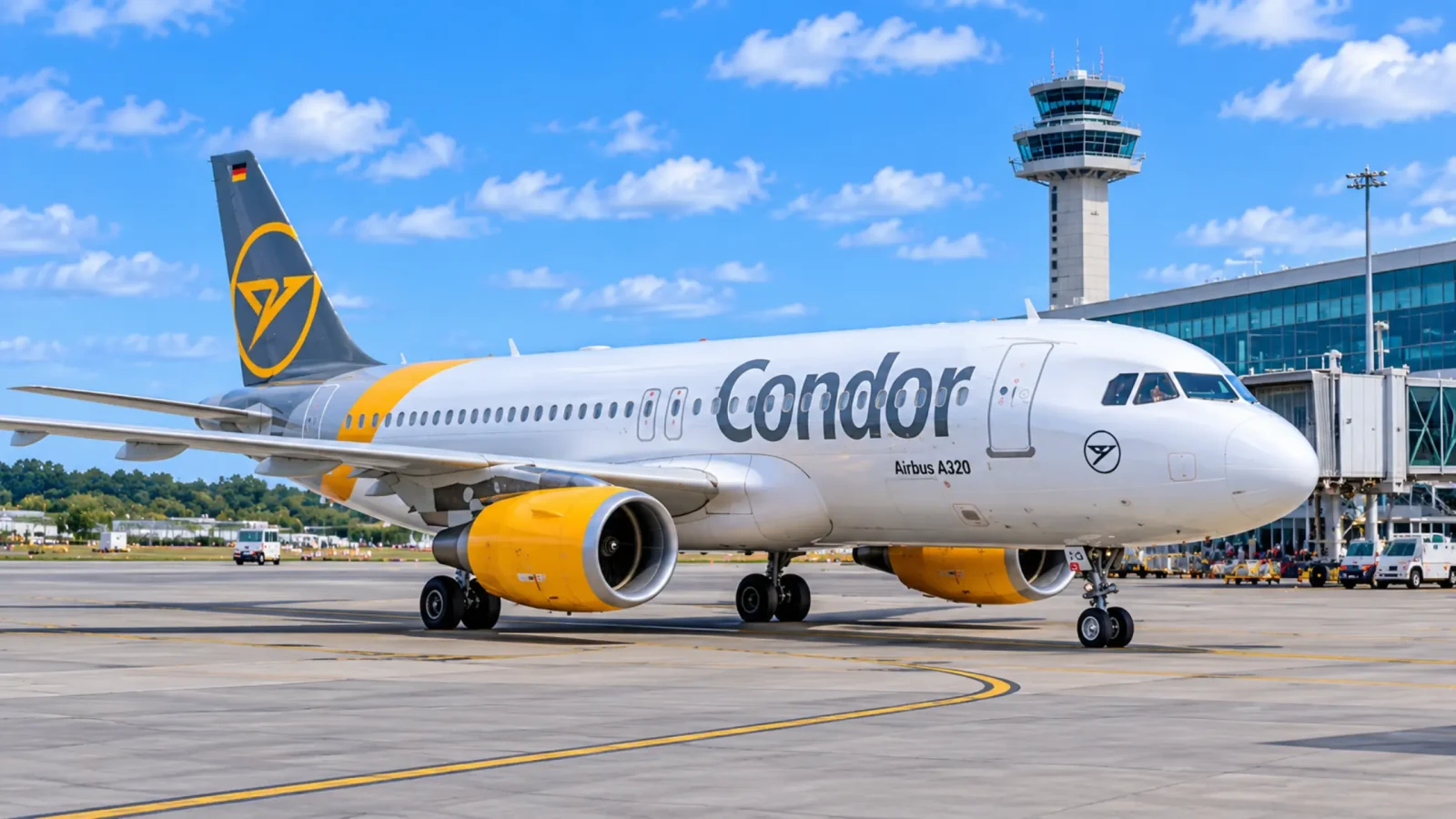
Condor Cuts Inflight Magazines To Save Weight And Reduce Fuel Costs
TRENDING
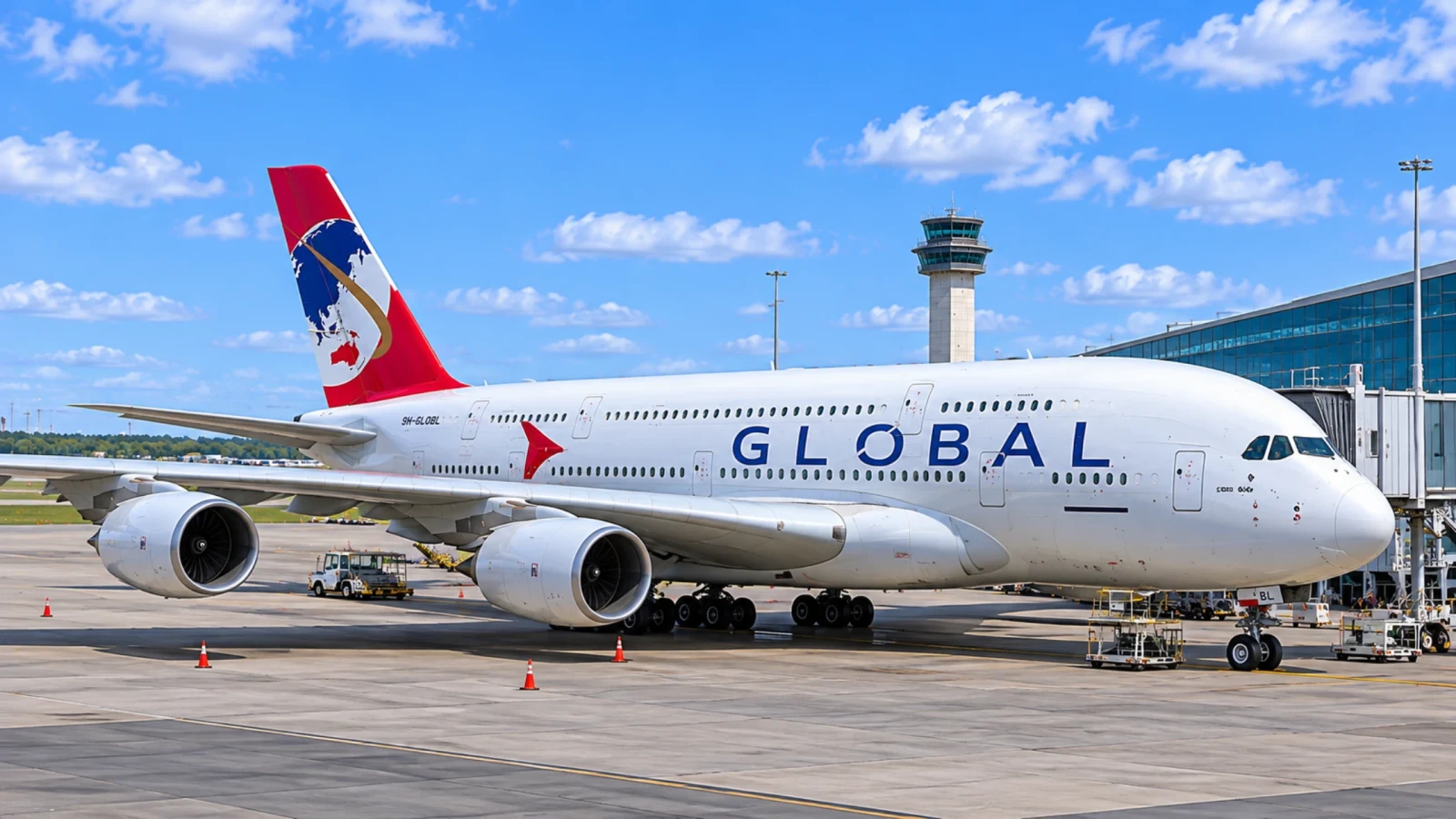
Global Airlines Ordered Into Liquidation After Just Four A380 Flights
TRENDING
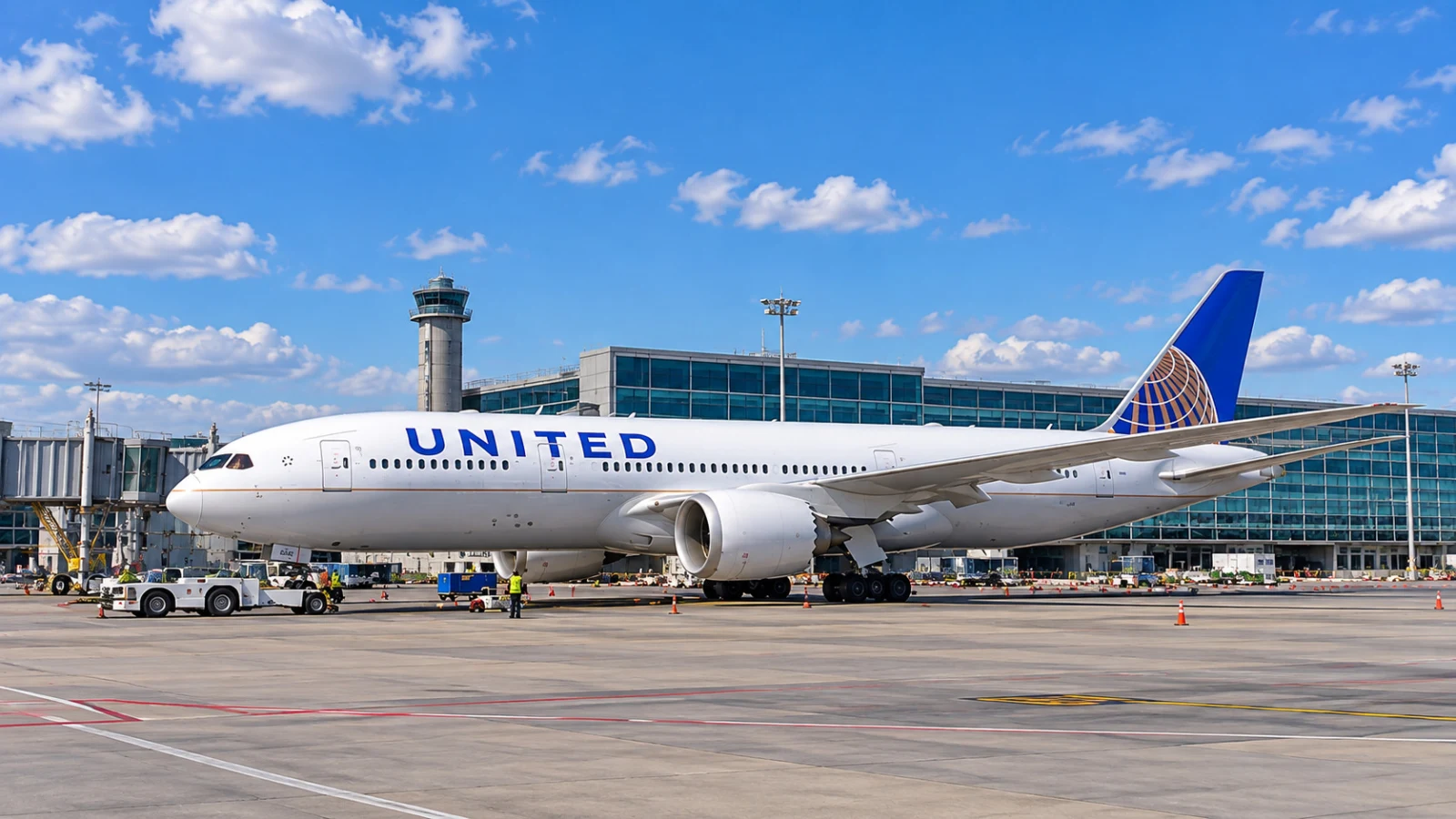
United Airlines Passenger Denied Alcohol in Exit Row, Receives 5,000 MileagePlus Miles
TRENDING