
Long-haul international flights are tiring, but the frustrating thing is the journey is not yet over. The international terminal arrivals often feel like never-ending formalities for passengers who are not aware of the procedure and what will come next. As your flight lands and you step down on foreign land, you are supposed to go through the four major stages to legally enter a country. These stages include immigration, baggage claim, customs, and the arrival hall. Knowing the order, the documents, and the processing time make the whole process smooth. This guide will walk you through every stage in detail, how to handle your connecting flight, and explain to you why checking flight status matters.
What Happens First: Immigration and Passport Control?
Once you disembark from the plane, you need to follow the signage boards to reach the international arrival terminal. And move to the immigration counters, which is your first checkpoint. The officer will check your passport, visas, and entry forms and may ask about the purpose of your visit and how long you will be there. To expedite the process, there are many countries using the biometric kiosks and e-gates for eligible passport holders.
The passengers will have to present certain documents before the officer. They are advised to keep the following documents handy before they reach the officer:
A passport with a validity of at least six month
Boarding pass or e-ticket
Visa or entry permit, if required
Completed arrival or customs declaration card
The airport might have a separate lane for the passengers requiring special assistance or the families traveling with a child. The whole process of immigration and passport control can take just 10 minutes to an hour based on the volume of the crowd.
Airport international terminal arrivals volume can be the highest during the early morning or late evening. This is the time when most international flights arrive at the same time. The lines can be the longest during these hours; therefore, it's worth checking the arrival hours before making the reservation or boarding the flight.
The documents for the international terminal arrivals can differ based on the country. Therefore, the passengers are advised to check the documentation requirements before they board the flight.
How Does Baggage Claim Work at International Terminal Arrivals?
The passengers have cleared immigration and now have to go to the baggage claim to collect their checked luggage. As you enter the international terminal arrivals, check the overhead board to find assigned carousels displayed next to your arriving flight information. There might be a separate belt for oversized and overweight luggage near the main carousel. If you are unable to find your luggage, move to the airline’s baggage service desk and register your complaint before you leave the terminal. Some airlines offer bag tracking through their app, so you exactly know where your luggage is.
Most airports have made the luggage carts available for free to facilitate the passengers. However, a few secondary airports might charge a fee for the porter or luggage cart. Passengers have some time left after collecting their luggage to enjoy other airport facilities such as charging stations, SIM card kiosks and currency exchange services before they get to customs.
A Few Baggage Claim Tips
Make sure to read your belt on the screen as soon as it is posted.
Do not remove the baggage claim tags until you have collected all your luggage.
Keep your eye on the overhead screen, as airports sometimes might change the carousels.
If your baggage is damaged or lost, you must report a complaint before leaving the terminal.
What to Expect During Customs Inspection?
Every passenger has to pass through customs at the international terminal arrival. At customs, the officer checks if any traveler is bringing a restricted item or undeclared goods. There are two separate channels at most airports: one for "nothing to declare" and one for "goods to declare."
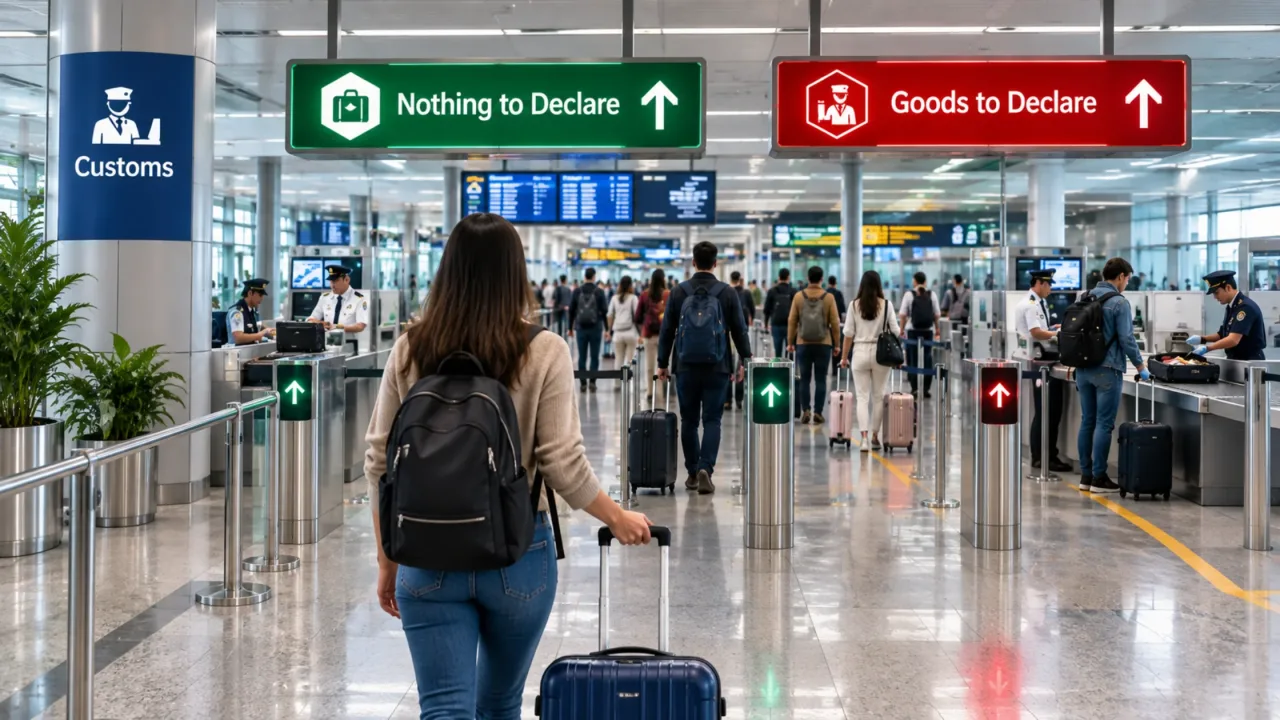
Nothing to Declare (Green Channel): This is used by the passengers who are carrying their personal items within the duty-free limits. Passengers passing through the green channel means they are not carrying any restricted and commercial goods. And thus, no special customs clearance and import tax will be imposed on them.
Goods to Declare (Red Channel): This is to be used by the passengers who are exceeding the duty-free allowance or carrying commercial merchandise, restricted items, or currency above the specified limit. The passengers choosing this channel will have to fill out the form, pass the inspection, and pay the applicable taxes and duties.
The duty-free allowances can differ based on the country. Therefore, passengers must check the list before packing the luggage. The common duty-free items are alcohol, tobacco, gifts, and cash. However, random checks might happen in the green channel too, so you must keep the receipts of your expensive purchases handy. It’s always better to declare things honestly than get flagged and then go through a second check, which can add extra time in your travel.

What Happens at Arrival Hall Access?
After passing through customs, you will enter through a set of last doors into the public arrival hall. Technically it is the end of the arrivals process in this area, which is typically situated on the international terminal arrivals level of the airport. In this area, there will be people to greet you, counters for ground transportation, places for ATMs, currency exchange, information booths and possibly even taxi and rideshare pick up locations, just a few steps from each other.
This is the area where you will find your relatives and friends came to meet you after passing the barrier rope or set of glass doors between the secure area and the public area to separate them. A standard feature in the international terminal arrivals level is signage that clearly can guide passengers from customs to the public hall to eliminate any confusion, particularly for first-time visitors.
What Should You Do If You Have a Connecting Flight?
Not all passengers may move towards the arrival hall. And some might have to catch a connecting flight. If you have a connecting flight, the process after international terminal arrivals is slightly different depending on whether your onward journey is domestic or international. The passenger follows the transfer signage that bypasses the main immigration lane. However, the rules may differ by country and by airline alliances, and some countries require every arriving passenger to clear immigration regardless of a same-day departure.
If your bags were checked through to your final destination, you may not need to collect them at all. If not, you'll need to reclaim your luggage, clear customs, and re-check it at a transfer desk before heading to your next gate.
Quick Tips for Smoother Transfers
Make sure there must be at least a 90-minute gap between two flights for international travel.
Check the new gate number for departure quickly once you land.
Do not exit through the main hall and head to the transfer deck.
The airport international terminal arrivals have dedicated transfer decks where transit passengers can get the boarding pass.
Why Checking International Arrivals Flight Status Matters?
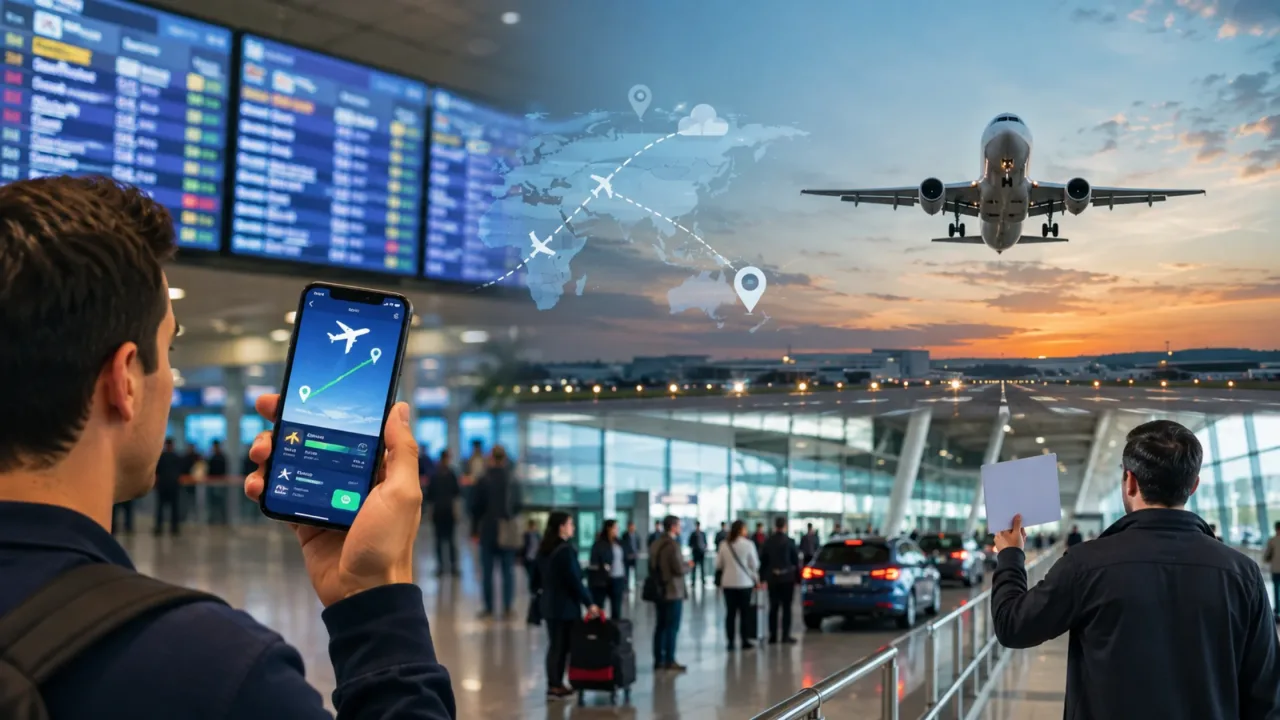
It’s important to check the international arrival flight status before you head to pick up someone or arrange your perfect connecting flight. It is because the time of landing or moving out of the terminal might differ anywhere between 30 minutes and 2 hours, depending on the volume and time of the day. Therefore, check the flight status and know the actual arrival time of the flight. Additionally, the flight status pages display real-time “gate status” information, estimated landing time versus scheduled landing time, and if the flight has been diverted or delayed, all of which directly impact the length of the arrivals process.
Gathering and checking status allow you to make the right decision on your arrival at the terminal, rather than standing by for hours while waiting. When you are traveling and you look at your next flight's departure status at the time of landing, you can make a decision if the flight is going to be a rush or not. All airline apps, airport websites, and tools used for tracking flights use the same live data, so it should be quite similar whatever the service used.
Most airports make these updates available on large displays near the arrivals section at the international arrival terminal, but it's quicker and more reliable to check by using one of the many flight status tracking apps available online.
Conclusion
Once you know the rules, it's not stressful to get through an international terminal in immigration, baggage claim, customs, and the arrival hall, and for connecting passengers, it's slightly different, transferring through connecting desks. During high travel periods be sure to allow enough time to arrive at your destination, have access to documents, and ask airport personnel about what you don't understand or don't see a sign for. Check flight status before you leave for the airport and/or before your flight connection, and you always know what to expect when you land on the plane.
Frequently Asked Questions
To know exactly which terminal handles the international arrival, you are required to check the map of your specific airport or view the flight itinerary. You can also communicate with the airline’s representative, and they will inform you about the terminal and international arrival details.
Each airport has different terminals assigned for international arrivals. The specific international arrival terminal entirely depends on the airport you are flying to.
The immigration process can usually take around 30 minutes to 2 hours, depending on the length of the immigration line, the passenger's volume, and the arrival time.
It depends on the country of layover. Some airports will automatically transfer the baggage, but at others you may have to collect your luggage, go through customs, and re-check before you board your next flight.