

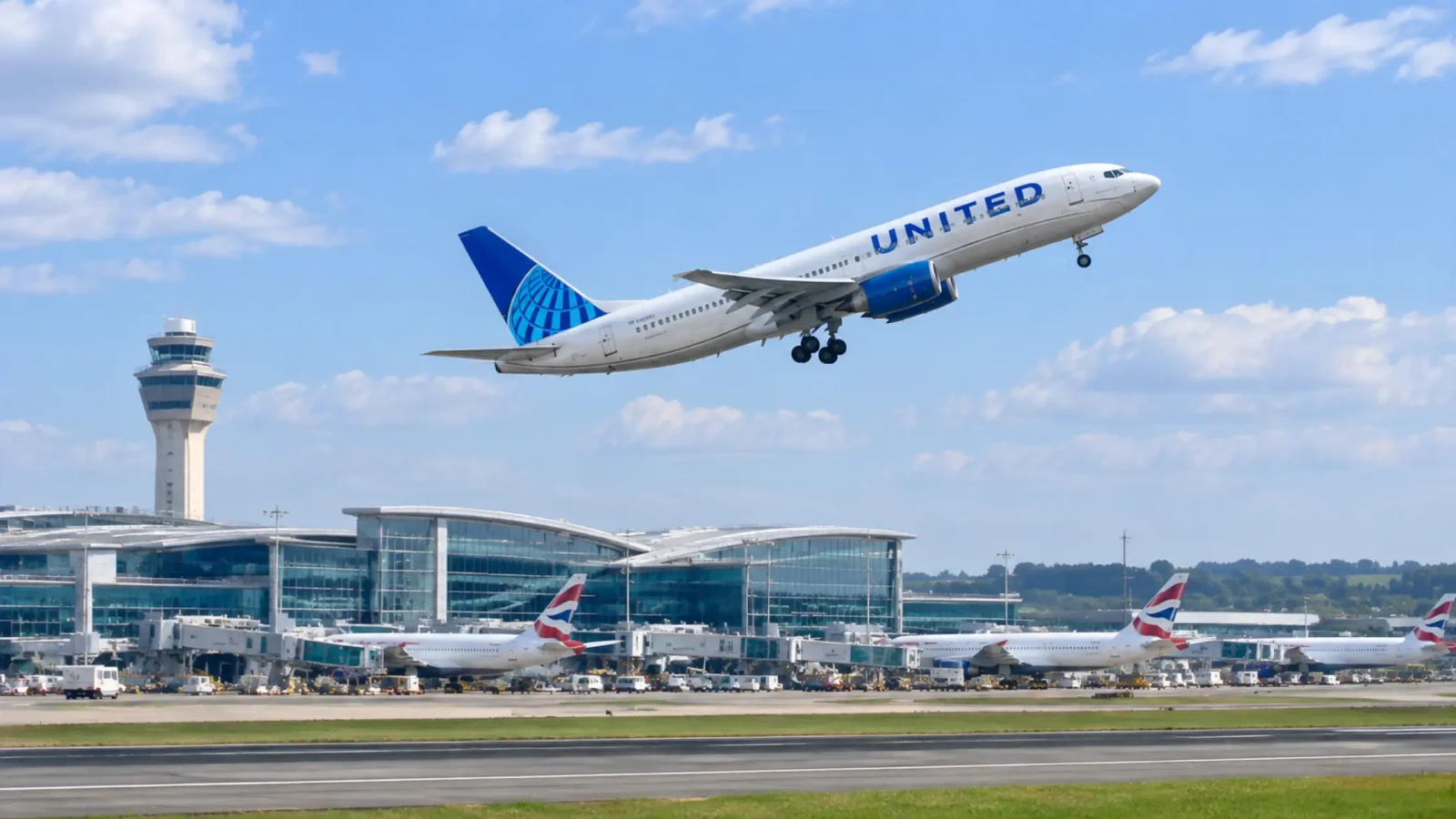
Boeing’s 787 Dreamliner has been going through a round of safety checks, and the recent concern they have been having is on its inside fuel tanks. The Federal Aviation Administration (FAA) has ordered inspection to take place on specific Dreamliners after understanding that the main reason behind this can be defects in the sealant used inside their center wing fuel tanks. And due to this issue, there can be an ignition caused by the sealant, which can potentially create high risks of a fuel tank explosion during a lightning strike.
The order particularly affects Boeing 787-8, 787-9, and 787-10 aircraft, which have been identified by the manufacturer. This whole procedure will start from December 7, 2026, when the affected airlines will be asked to make certain security checks on the aircraft and fix them.
What Triggered The FAA's Latest Safety Directive?
On November 2, the FAA officially released its new safety rules in the Federal Register. As per the agency, it says that some of the sealant areas that are inside the center wing fuel tanks may not have received proper checks and adhesion inspections while they were being manufactured.
Beoing failed to provide evidence confirming that there were security checks that happened during the inspections. Due to this, there were some tensions built, and the authorities started raising concerns about whether sealant was checked and secured properly or not.
Even though the FAA warned the airlines about this issue, which could lead to ignition sources inside the fuel tank during a lightning strike. Even though most of the modern aircraft have multiple layers, which could protect the aircraft from lightning strikes, the authorities still feel that it is necessary to make a double check if everything is up to the safety standards.
What Inspections Must Airlines Carry Out?
As per the rules, the authorities making the security checks should make sure that the sealant is on the left, right, and center sections where the wings are connecting to the fuselage. Adhesion tests will also be made to make sure whether the sealant is properly bonded. If the authorities come across any issues or defects, they would have to make the necessary repairs.
According to the estimation of the FAA, this inspection will take 34 work hours, which will cost approximately $2,890 per jet. For all 60 affected US-registered aircraft, the total estimation will be $173,400. But repair costs are not included in this amount, even though Boeing has mentioned that some of the expenses will be covered under the warranty.
How Many Boeing 787s Could Be Affected?
60 US-registered Dreamliners come under the current directive, but this problem can increase beyond the United States when other airlines highlight similar inspection requirements.
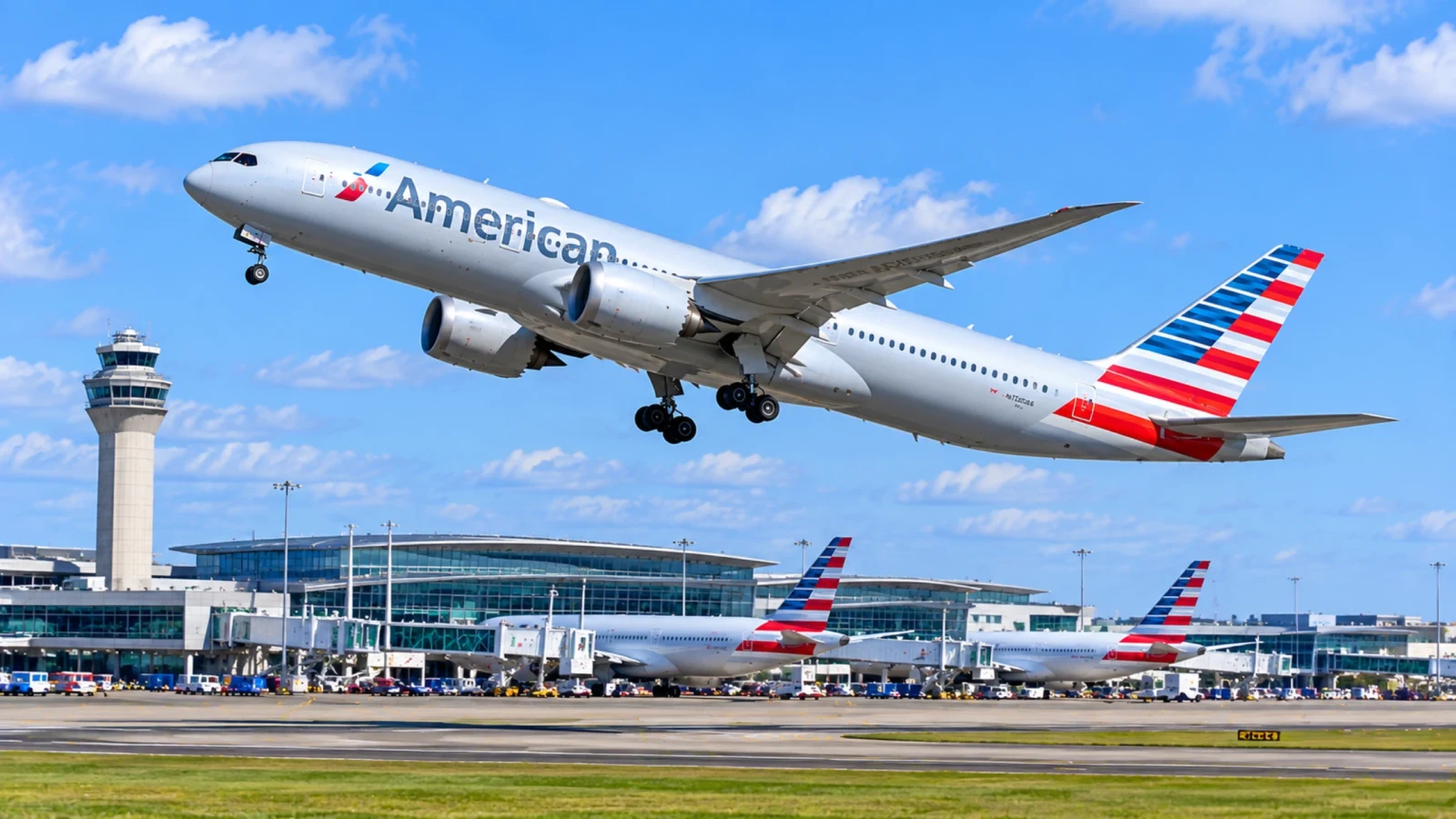
The largest Boeing 787, which is operated by the United States, operates 97 aircraft across all three variants. 70 Dreamliners come under American Airlines, and Alaska Airlines operates six Boeing 787-9s.
Furthermore, Aeromexico and Avianca operate 13 and 16 US-registered Dreamliners, according to ch-aviation.
Read Also: - Multiple European Flights Face Bomb Threats In A Single Day, Triggering Diversions And Airport Disruptions
More From Trending
TRENDING
Lufthansa Signals Higher Fares as Iran War Drives Up Jet Fuel Costs
TRENDING
Multiple European Flights Face Bomb Threats In A Single Day, Triggering Diversions And Airport Disruptions
TRENDING
Nine Killed After Learjet 60 Plunges Into Florida Street and Erupts in Flames
TRENDING