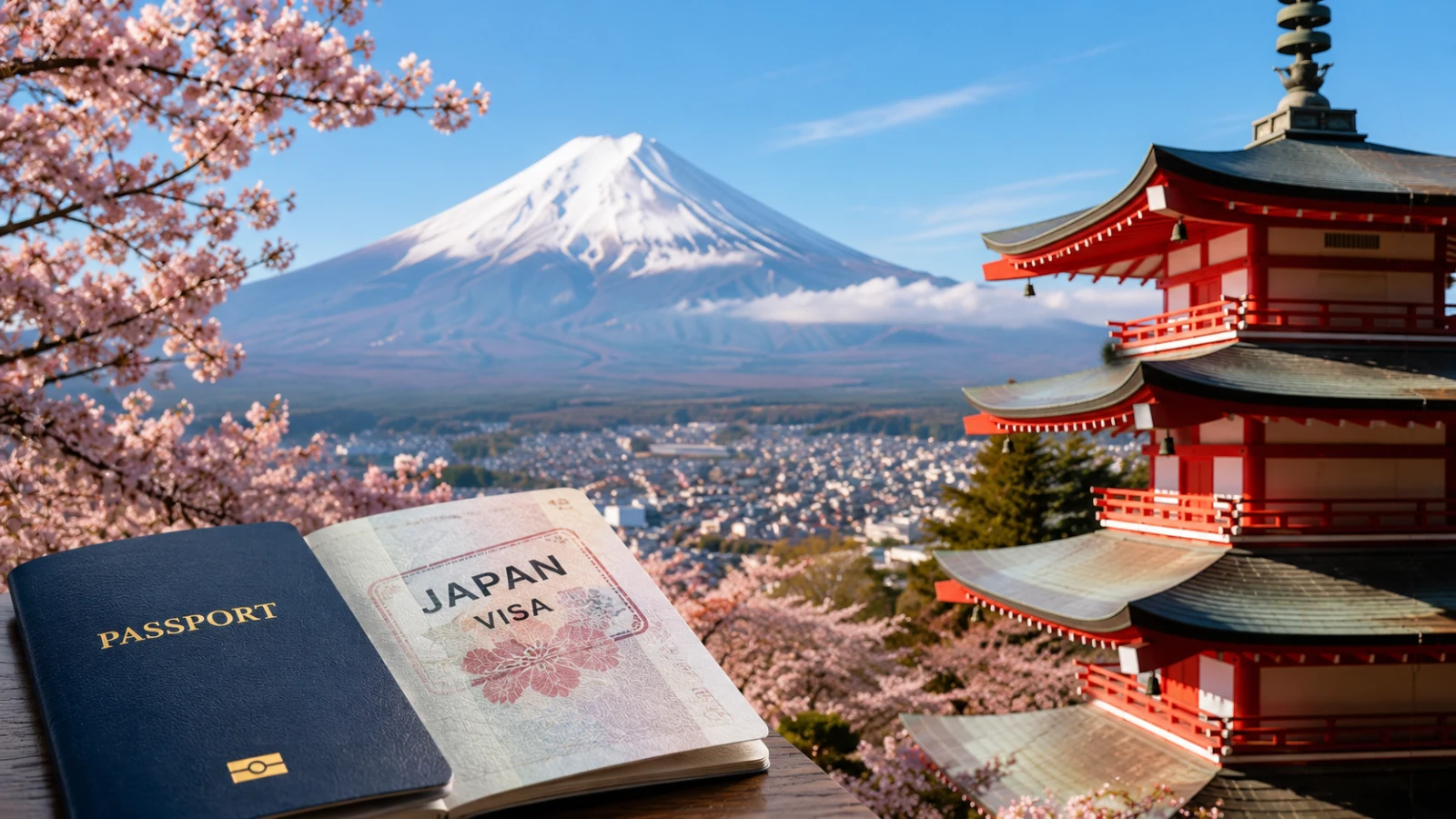
Planning to explore the land of the rising sun? Japan is highly acclaimed among travel enthusiasts due to its distinctive fusion of ancient tradition with modern innovation. A destination of its own type for a perfect vacation, ranging from neon-lit cities to blue islands. A foreign traveler requires a Japan visa to enter the country. However, if you are wondering, "Do Americans need a visa for Japan?" So, the common answer is no! The US travelers can travel visa-free for short trips for business, tourism, and short visits.
In this guide, you will find all the information you might want to know about getting a Japan travel visa, who can enter visa-free, what documents you will need, current visa costs, and the time it takes to process a visa. If you are heading over for a 2-week holiday or longer for work or study, here's what you can expect before your flight.
What Are the Types of Visa?
A visa is a permit to step inside Japan. However, not everyone is entering for the same reason, and thus, Japan does not provide the same visa to everyone. The type of visa depends on your nationality, reason for traveling, and the duration of your stay. It can be broadly classified into two groups: short-term visit (for tourism, business, or family visit) or long-term visit (for study or work).
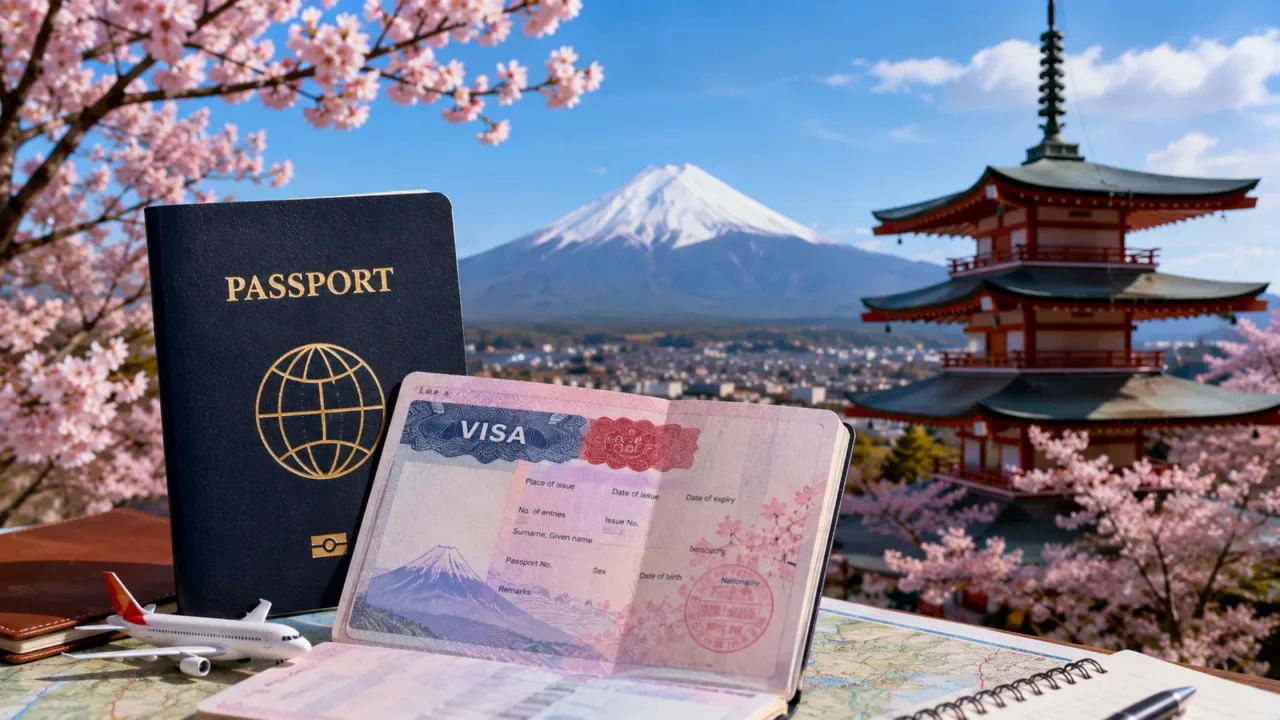
Short-Term Visit Visas
If you have to visit Japan for less than 90 days, you may not need to apply for any type of visa. Most trips for up to 90 days are visa-free. Here is how the short-term visit works:
Visa Exemption (Temporary Visitor): The citizens of more than 70 countries, including the United States, can travel to Japan without a visa for tourism, family visits, and business meetings for up to 90 days. Thus, Americans rarely require a Japan tourist visa when traveling for the short term.
Short-Term Stay Visa (Single or Double-Entry): If the passport of your country is not on the visa-exemption list, then you will have to apply for a short-term stay visa. It allows the travelers to visit Japan for a period of 90 days for business, tourism, and family visits.
Transit Visa: Depending on your nationality and the length of layover in Japan, a transit visa may be required. Japan has merged this category into the single/double-entry visa since July 2026 so that the applicants for transit now apply under this visa category.
Long-Term Stays
Let’s say you are visiting Japan for work or study, and your stay exceeds 90 days; you will have to apply for a long-term visa. The Immigration Services Agency of Japan will issue a Certificate of Eligibility (COE) before you apply for a visa. It says that the government has reviewed the background check and the applicant satisfies the Japan visa requirements.
Work visa: Those who are visiting Japan as working professionals will be required to apply for a work visa. They will need to receive an offer of employment from the employer in Japan and a Certificate of Eligibility (COE) before they apply for the visa. It can be applied to highly skilled professionals, doctors, skilled labour and engineers.
Student visa: For those who have been admitted to a university or language school or vocational institute in Japan, the student visa will be required. This visa will be in effect from the date of award to the completion of your degree. This visa will require a COE from the school and evidence of your ability to pay your tuition and living expenses.
Spouse or Dependent Visa: The spouse, children, or parent of a Japanese national or permanent resident can apply for a spouse or dependent visa. They will have to provide the proof of relationship with the COE.
Digital Nomad Visa: The Japan digital nomad visa was brought in 2024 for remote workers who are employed by a company based outside Japan. It is valid for six months and can be renewed every time it expires. To apply for this visa, the applicant must have insurance and an annual income of at least ¥10 million (approx. $65,000).
Working Holiday Visa: A Japan working holiday visa allows the young citizens between 18 and 30 of partner countries to work, live, and travel in Japan. The visa is valid for a period of one year.
What Are the Japan Visa Requirements for Documents?
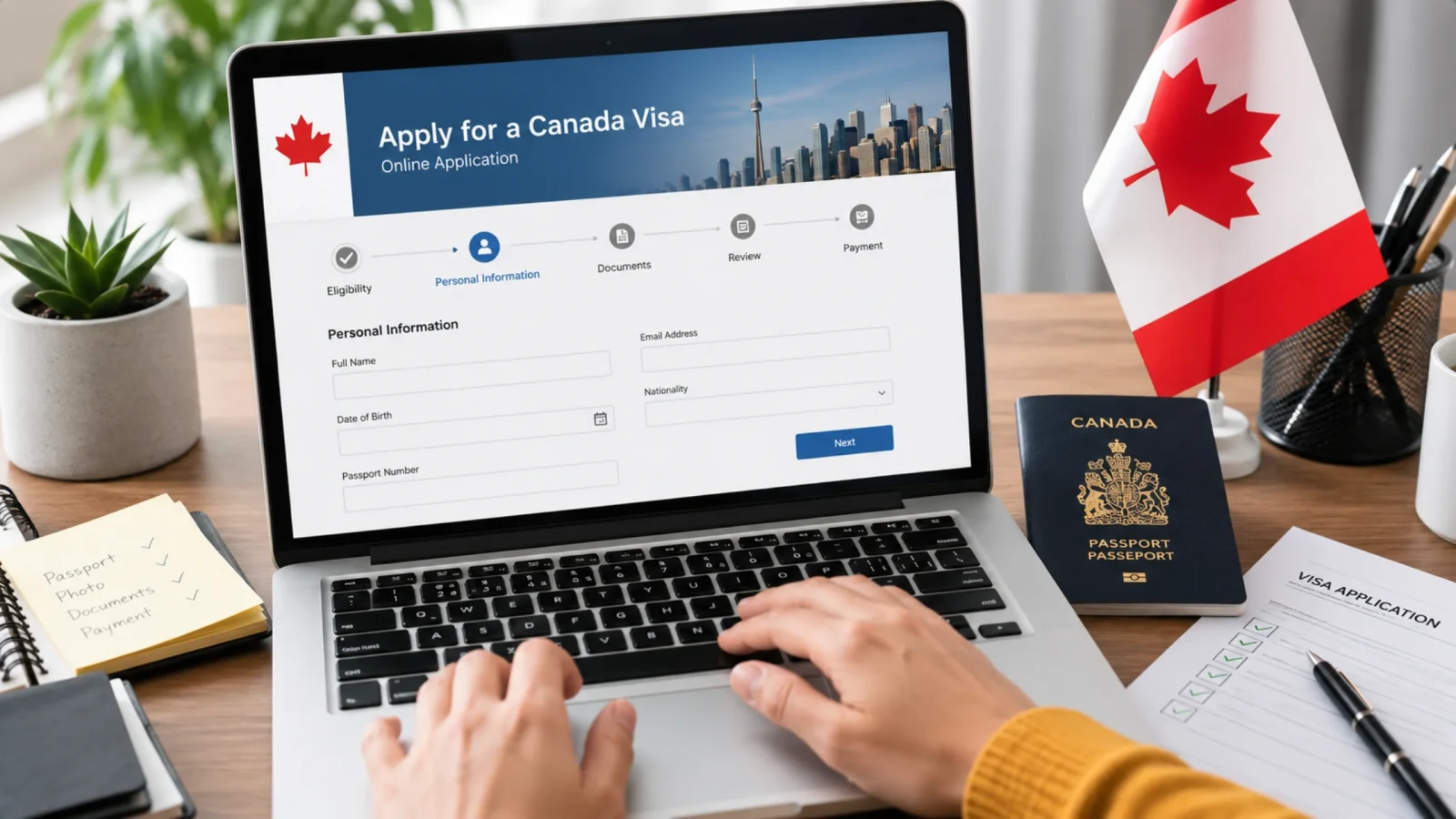
The applicants will have to present certain documents before the Japanese Embassy or Consulate to get their visa application accepted. However, the documents differ based on the type of visa you are applying for, but most applications will require a similar set of essential documents. Here is a checklist of the documents:
Passport: The applicant must have a passport with a validity of at least six months.
Visa Application Form: Completed and signed Visa Application Form (available from the embassy, consulate, or eVisa portal).
Passport-Size Photo: A photo of the applicant that has been taken within the last six months and it must have a clear and plain background.
Proof of itinerary: It is a document that shows the travel arrangements, such as travel dates, flight details (both ticket to Japan and return ticket), and your daily schedule. It helps the authorities to understand the purpose of your visit and intention to leave Japan.
Proof of Accommodation: You will have to provide proof of your accommodation during your stay in Japan. Present the hotel bookings or an address if you are staying with your family or friends.
Proof of Financial Means: Present the bank statement or pay slips to prove that you have enough funds to finance your trip to Japan.
Certificate of Eligibility (COE): It is issued by the Japan Immigration Office for long-term visas. It is a background check to ensure that the applicant is eligible for a Japan visa.
Employment or Enrollment Documents: Students and working professionals might have to present the enrollment letter or job offer letter, respectively.
Health insurance proof: When you are applying for a nomad visa, you will have to present the health insurance.
How to Apply for a Japan Visa
Once you understand the reason why you want to visit Japan and what documents you require, filling out the Japan visa application is a simple and straightforward job. Here are the steps to follow to apply for a Japan visa:
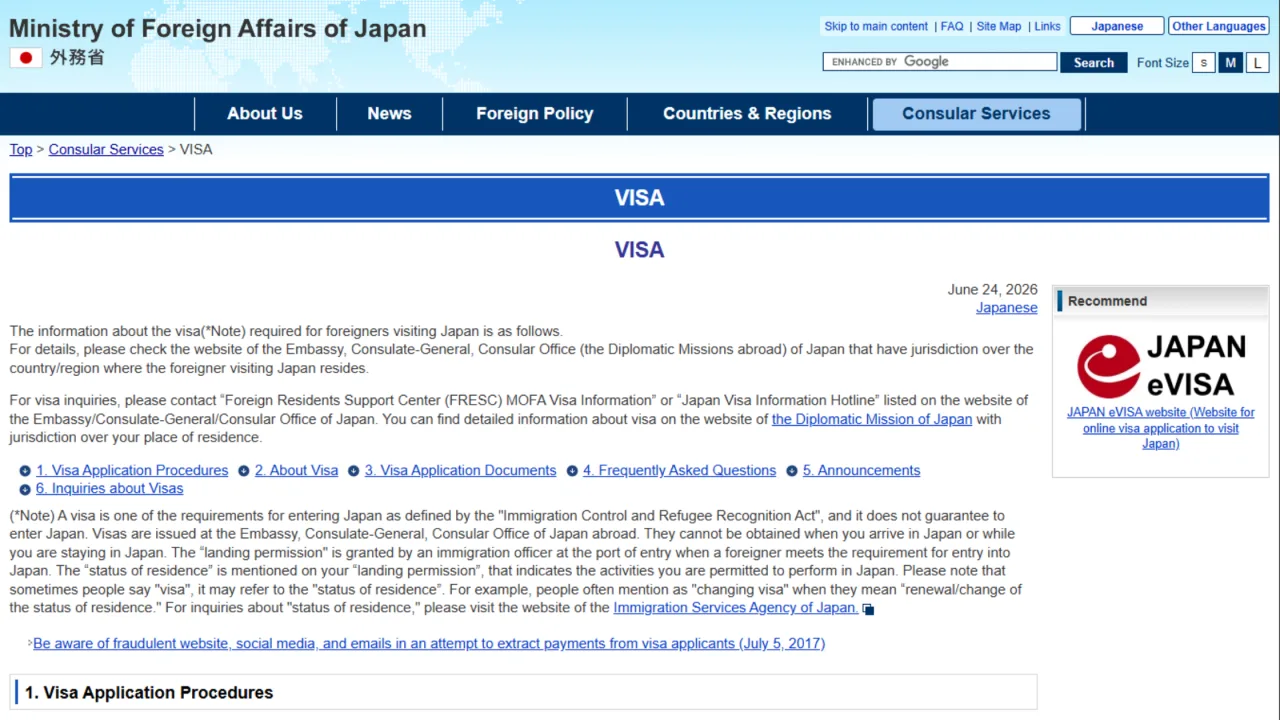
Confirm if you require a visa: There are 74 countries on the visa-exemption list of Japan. If your country falls in this list, you will not require a visa to visit Japan for up to 90 days.
Gather your documents: Start gathering the passport, photo, and other visa-specific documents.
Apply for the visa: Use the right channel and submit the Japan visa application form:
JAPAN eVISA (Online System): If your country falls on the visa-exemption list, you can fill out the eVisa form on the Ministry of Foreign Affairs of Japan website.
Visa Application Centers: These are third-party service providers hired directly by the government to handle the administrative process of visas. Visit their office and apply for the visa in person.
Embassy or Consulate-General of Japan: It is for the countries where Japan eVisa or visa application centers are not available.
Complete the Forms & Book an Appointment: Fill out the online visa application form, and submit it. However, you will have to book an appointment at the nearest VFS Global center or Japanese embassy if you are submitting the form physically.
Submit document & pay the fee: At the visa center, provide your passport and support documents or upload them at the eVisa portal. Then, enter the card details and complete the payment.
Track & Pick Up Your Visa: Once your visa is processed, you will receive a notification. Get your passport with visa stamp on it delivered to your home via courier. If you have applied via the eVisa portal, then download the eVisa notice before traveling.
What Are the Japan Visa Fees?
When you are applying for the Japan visa, you will have to pay the charges associated with it. And Japan has increased the tourist visa fee, and it has been in effect since July 1, 2026. Therefore, many travelers are confused with the price of visas for Japan. The table below consists of the updated fee for a Japan visa in 2026.
| Feature | Detail |
|---|---|
| Visa Type | Fee |
| Visa Exemption (tourism, up to 90 days) | Free |
| Single-Entry Visa (tourist, business, work, student, etc.) | ¥15,000 (~$100) |
| Double/Multiple-Entry Visa | ¥30,000 (~$200) |
| eVisa (Single-Entry Tourist) | ¥15,000 (~$100) |
| Transit | Included in the single/double-entry fee |
If you are a US citizen and applying for any of the above-mentioned Japan visas, you are not required to pay a fee due to a bilateral reciprocal agreement.
What Is the Japan Visa Processing Time?
The processing time for the Japan visa depends on the type of visa you are applying for. The table below shows the processing time of different visas.
| Feature | Detail |
|---|---|
| Visa Type | Typical Processing Time |
| eVisa (Single-Entry Tourist) | About 5 business days after a complete application |
| Short-Term Visa (Embassy/Consulate) | 5–7 business days |
| Digital Nomad Visa | Roughly 2 weeks to 1 month |
| Work or Student Visa | COE: 1–3 months; visa after COE: about a week |
| Spouse or Dependent Visa | COE: 1–3 months; visa after COE: about a week |
Tips for a Smooth Application
Keeping a few things in mind will help you make the process of getting a visa smoother for you. Here are a few tips to consider:
Apply early for long-term categories: When you are applying for the long-term visa, try to apply early enough, as only the process of getting a Certificate of Eligibility can take about 1 to 3 months.
Double-check your passport's validity: Japan does not ask for six months of validity of the passport; however, it must be valid for the period you will stay in Japan.
Register with Visit Japan Web before you fly: Registering yourself with the Visit Japan Web will speed up the immigration and customs processes.
Don't overstay your 90 days: Make sure to keep a check of the duration of your stay in Japan, and you must leave Japan after 90 days, or it may affect your future journey to Japan, where you may easily get a visa.
Confirm current costs: The cost of visas for Japan has changed since July 1, 2026, and thus, you are suggested to confirm the prices before applying for the visas.

Conclusion
It is easier to get a Japan visa if travelers know the Japan visa requirement, how to apply for a Japan visa, what documents are required for the visa, the visa fee and how long it takes to get a Japan visa. Japan visas for US citizens are usually allowed to enter Japan for short stays of up to 90 days without a visa, but citizens must apply for the right visa for those who come from other countries if they wish to stay for more than 90 days. All required documents should be prepared properly and applicants are advised to verify latest requirements before submitting the application. It is desirable to apply early in order to prevent delays, particularly for long-term visas, which may require a Certificate of Eligibility.
Frequently Asked Questions
No, US citizens do not require a visa to travel to Japan for tourism, business, or short visits of up to 90 days. However, if the stay exceeds 90 days or the purpose of the visit is other than business or tourism, Americans are also required to get a visa.
Japan gives visa-free entry to 74 countries. If your country falls on the visa-exemption list of Japan, you can travel to Japan for short stays without applying for a visa beforehand.
Yes, the citizens of the United States can travel visa-free to Japan for tourism and business purposes. However, their stay must not exceed a maximum of 90 days.
Generally, Japan charges $100 for a single entry visa, whereas the multiple entry visa costs $200.
No, you can easily get the Japan visa as long as you submit the documents correctly and meet the financial requirements for the visa.