

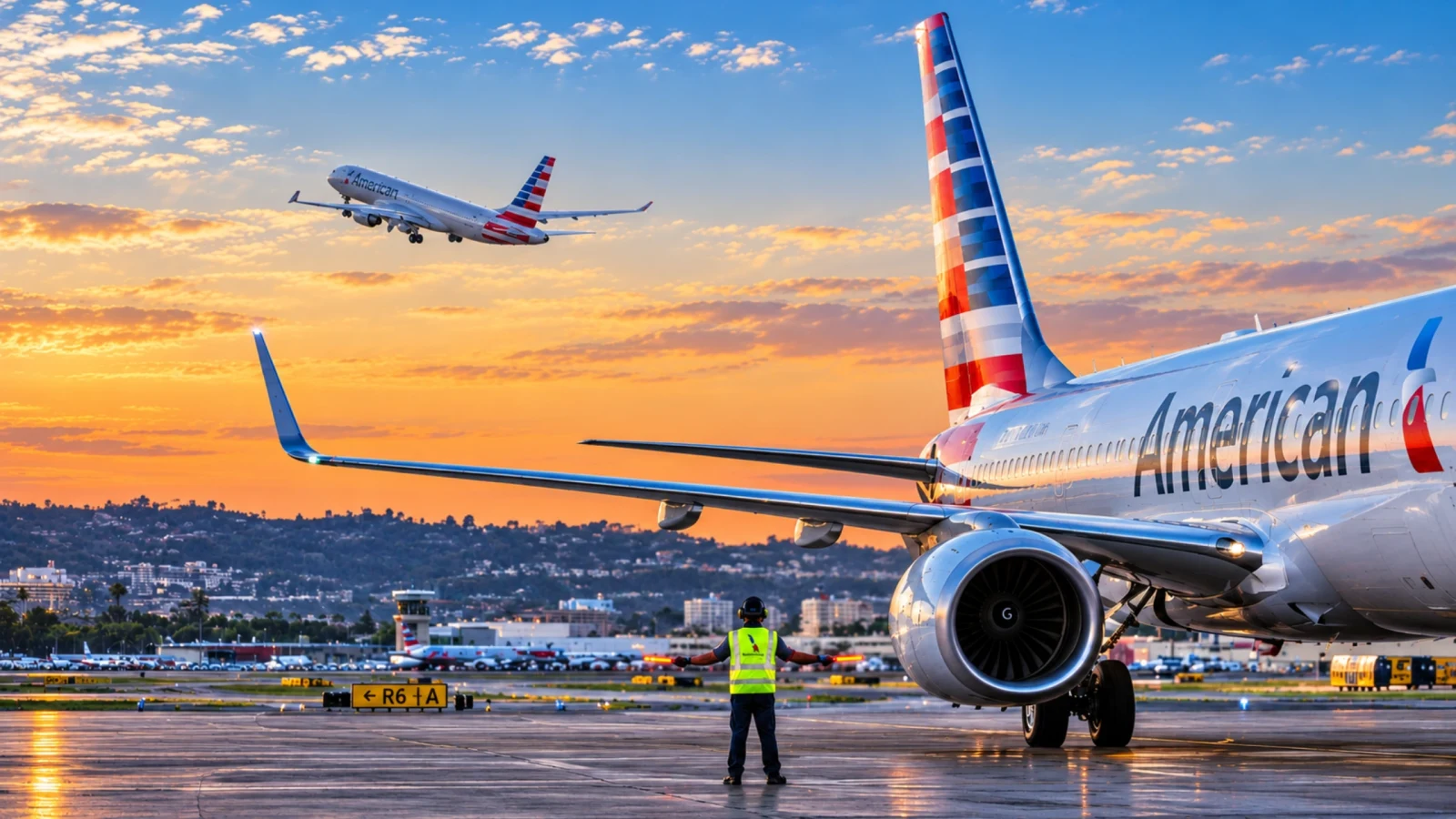
U.S. airlines are becoming more accommodating toward flying with empty seats than selling cheap tickets to fill them. The plan is designed to help protect profits from a looming surge in jet fuel prices.
The executives of Delta Airlines, American Airlines, United Airlines, Southwest Airlines, and Alaska Air Group have indicated that the margins are more important than maximizing passengers' volume. For example, United reported a 1.3 percentage point decrease in the third quarter in terms of how full its seats were, known as the load factor.
A Costly Fuel Shock
The move comes after a sharp rise in fuel prices since the US-Israeli war on Iran started in February. Since then, the price of jet fuel has increased by almost 90%. Gulf Coast spot prices rose from $2.43 a gallon prior to the fighting to $4.63 on Oct. 20th.
In response, airlines have significantly increased the ticket prices. Labor Department data showed that U.S. air fares increased by almost 23% year on year in the first seven months of this year. Consumer prices overall were only 3.6% higher during the same time.
Despite this, the increases have not been sufficient. American Airlines this week scrapped an initial forecast range that suggested it would make a profit. It now expects an adjusted 2026 loss of $1.00 to $1.60 per share. Other airlines, including Delta and Southwest, reduced their full-year profits forecast, too.
Capacity as a Pricing Tool
As travel demand shows no signs of slacking, carriers believe curbing flights will help maintain high fares. Airlines might have to slow growth even more next year, Delta CEO Ed Bastian warned, and United has expressed similar concerns. American's chief financial officer, Devon May, said that the airline is looking at whether they will generate enough revenue to pay their operating costs with additional flights next year.
The method is actually risky. If the airlines keep increasing the price, some passengers may decide not to use the service, and fewer planes may make each seat more expensive. But analysts warn that as oil prices drop and airlines ramp up capacity, prices could drop as well.
What It Means for Travelers
Heavy discounts are likely to remain rare for the passengers. Thanksgiving and Christmas fares are already significantly increased. Fuel surcharges and increased checked-baggage charges have been other tools used by airlines to make up the deficit.
Executives have no expectations for fuel relief anytime soon. Truce negotiations between Washington and Tehran have been in and out since spring, maintaining price volatility and causing carriers to be leery of seat additions.
The big question for the industry is how much more they can raise the prices before demand dips. Right now, airlines are taking a chance on passengers continuing to make reservations even though the planes may be slightly less packed.
Read Also: - Canadian Airlines Pull Back From U.S. Routes as Weak Demand and Fuel Costs Bite
More From Trending
TRENDING
Canadian Airlines Pull Back From U.S. Routes as Weak Demand and Fuel Costs Bite
TRENDING
FAA Grants Type Certification for Boeing’s Long-Delayed 737 MAX 10
TRENDING
Lufthansa Adds Columbus and Phoenix in Summer 2027 U.S. Expansion
TRENDING